Amsterdam: AI Research, Entrepreneurship, and Technology Transfer
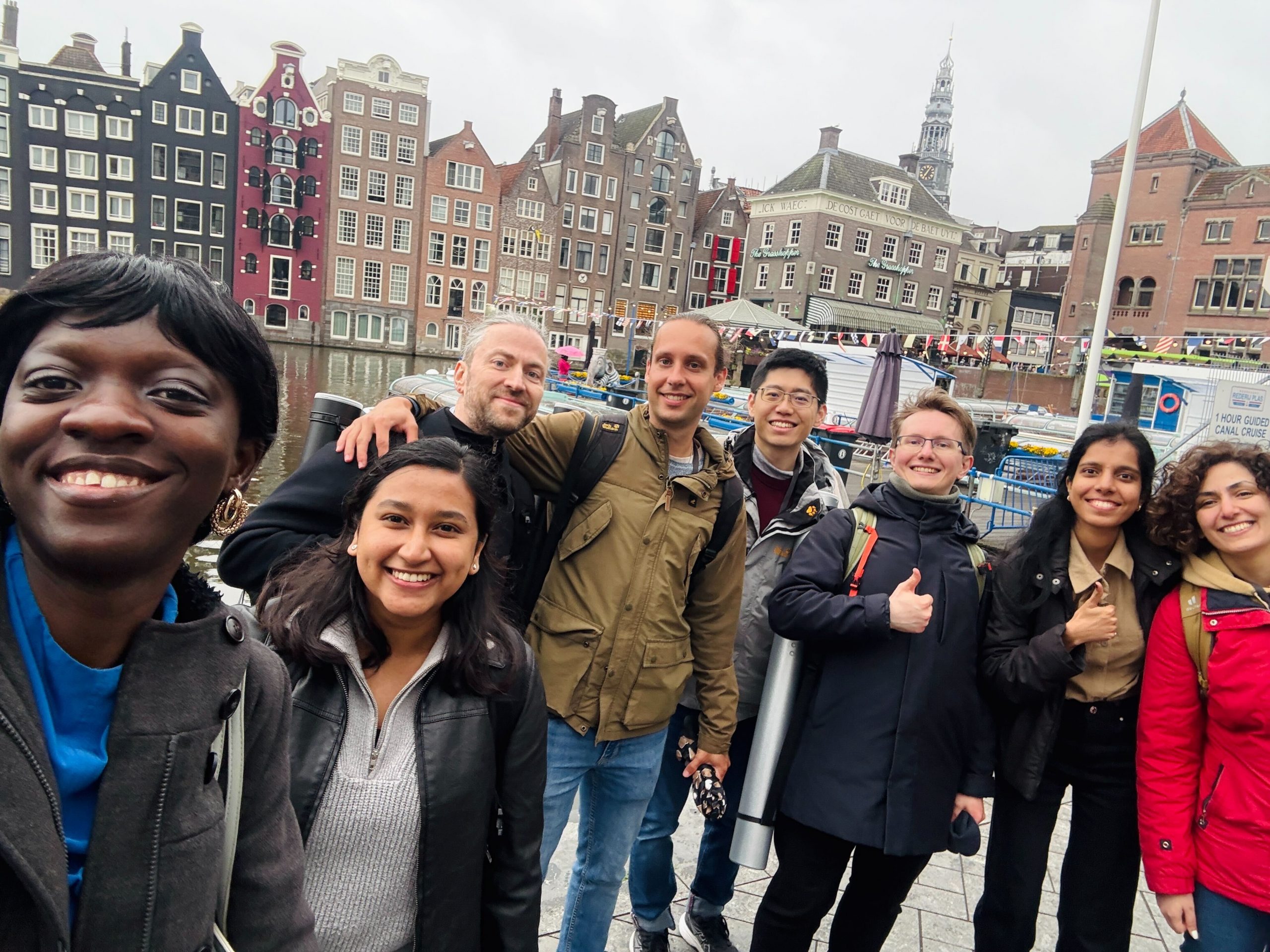
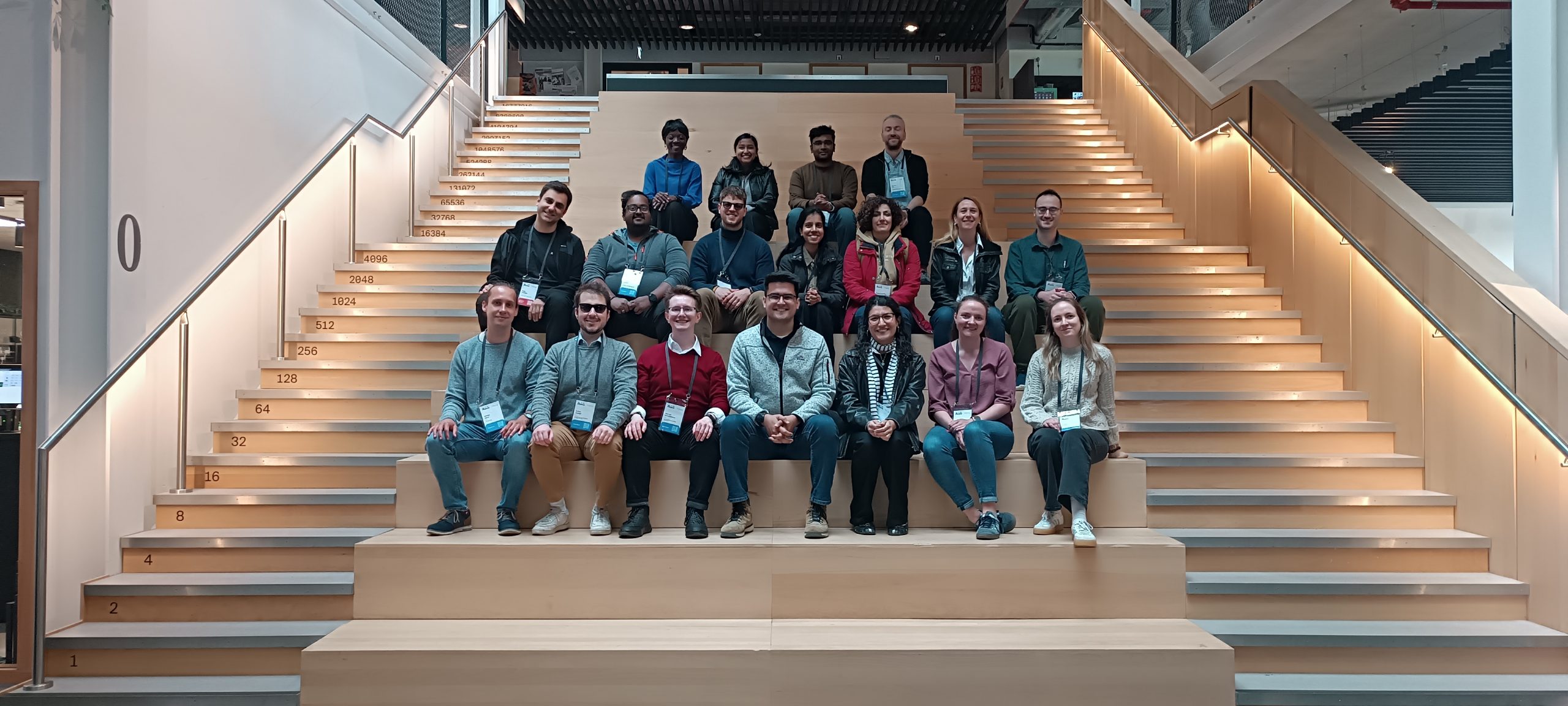
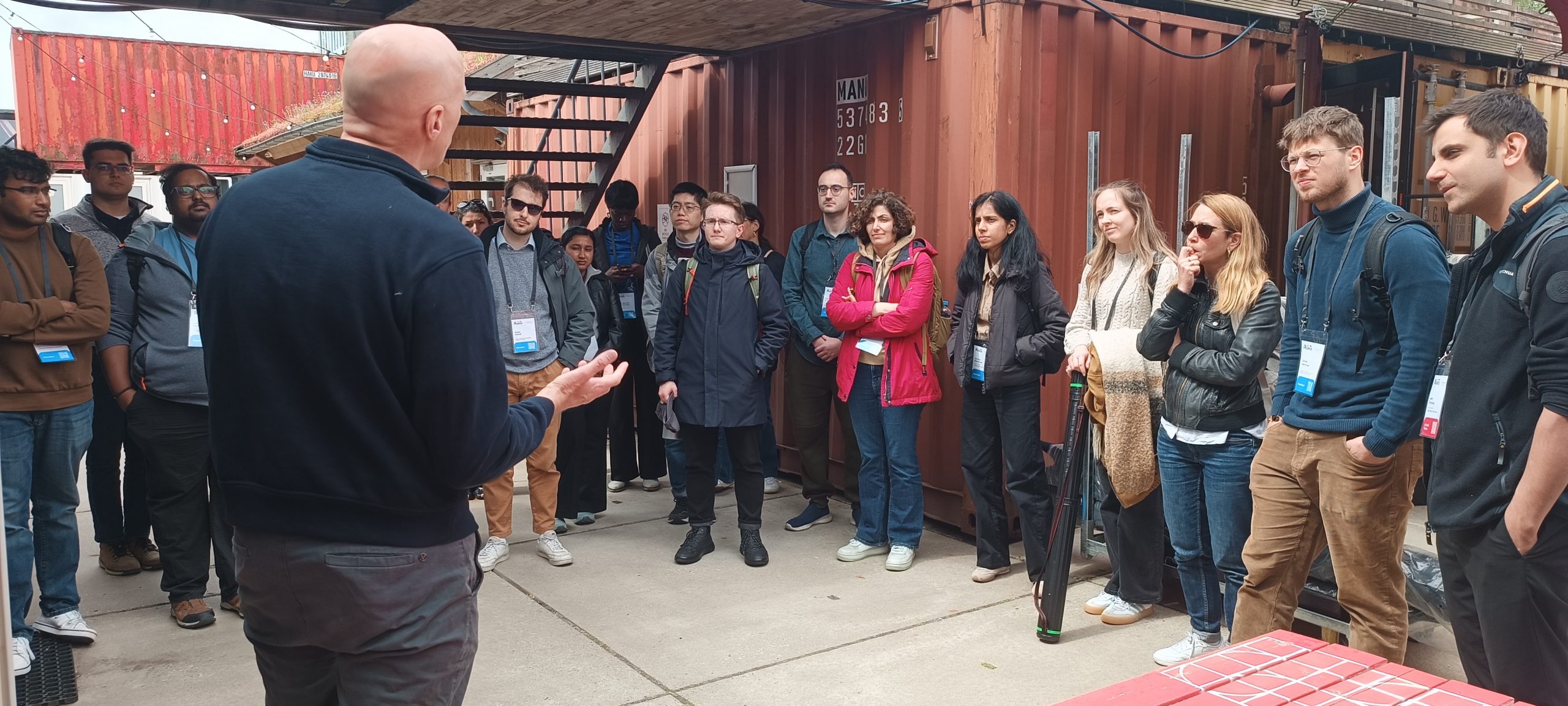
The first stops in Amsterdam took participants to the Amsterdam Science Park and LAB42 at the University of Amsterdam. There, they learned about the Dutch AI ecosystem and gained insights into current research on robotics & AI, medical imaging, and the activities of the Innovation Center for Artificial Intelligence (ICAI). Visits to Startup Village Amsterdam and the ELLIS Unit Amsterdam complemented this perspective with insights into startup founding, technology transfer, and the development of marketable AI solutions. Particularly evident was the close collaboration between university research, startups, and industry, as well as the consistent translation of scientific findings into innovations and applications.
On the second day, the group visited Elsevier. Together with Amin Tabatabaei, George Tsatsaronis, Alina Helsloot, Hosein Azarbonyad, and Khang Ly, the participants discussed current developments surrounding generative AI in scientific publishing and AI-supported research processes. The discussions focused on research integrity, quality assurance, and the opportunities and challenges of generative AI for scientific research, peer review, and publication processes.
The event in Amsterdam concluded with Imagine Innovators Europe 2026 . The focus was on embedded AI, edge computing, and applications where AI models are executed directly on end devices to enable real-time processing and resource-efficient systems. Milan Ferus-Comelo, a member of the AI-Grid community, was also part of the program.
Eindhoven: Industrial AI and the High-Tech Ecosysteme
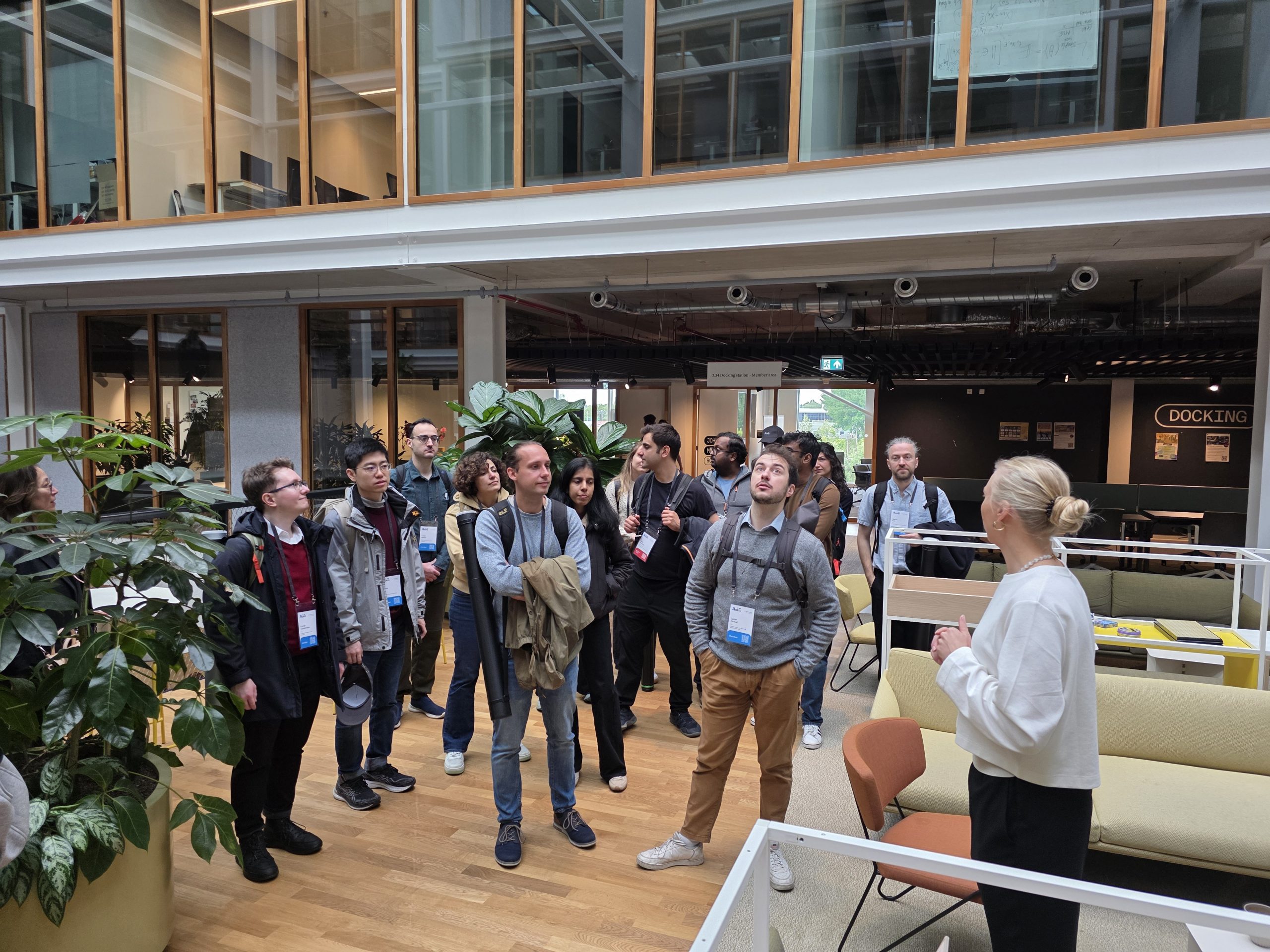
The next day of the program began at the AI Innovation Center on the High Tech Campus Eindhoven. Following an introduction to the innovation ecosystem by Steven Feenstra, several companies provided insights into current industrial AI applications.
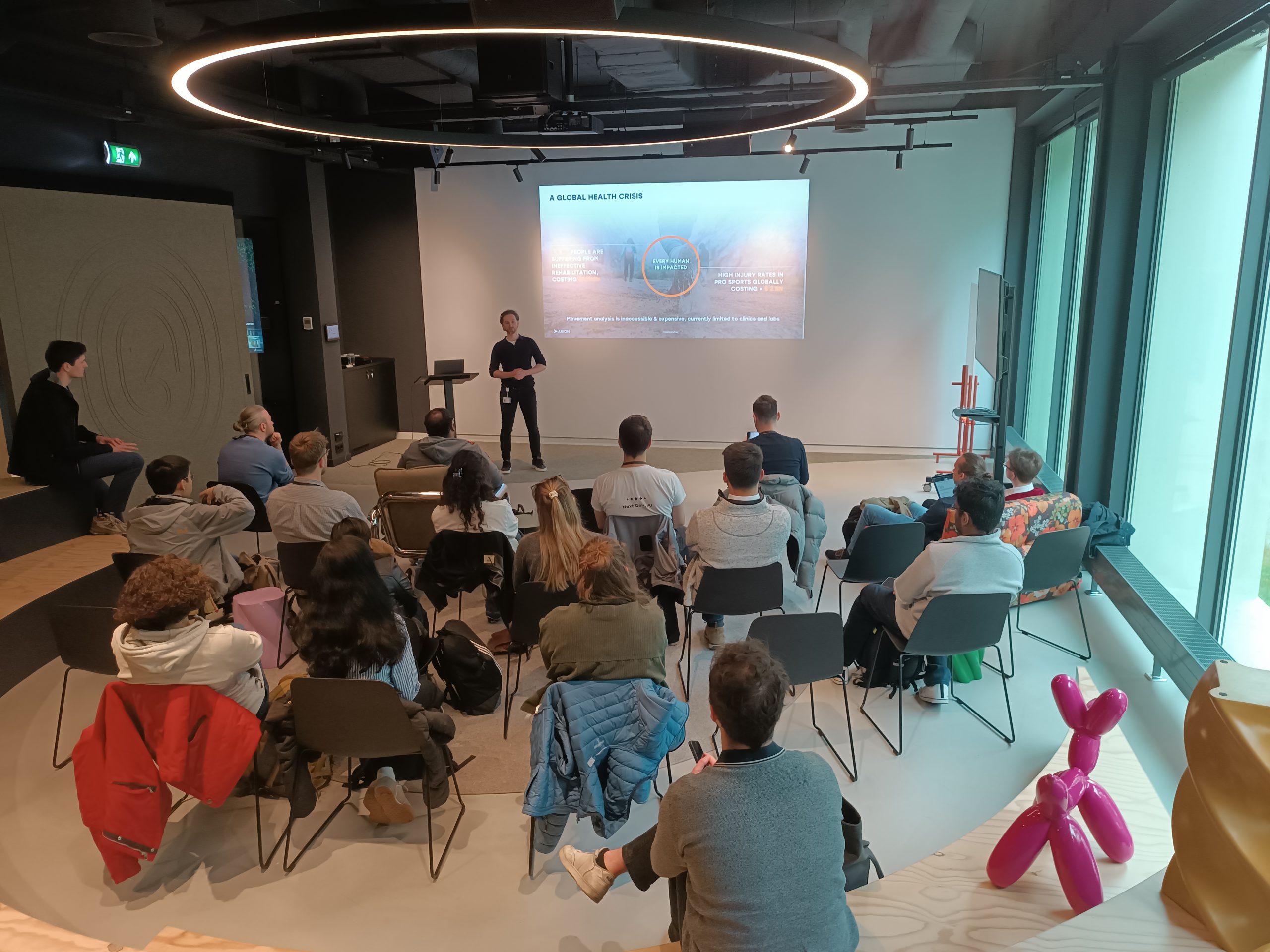
Airvision , together with Rob Stevens and Rüzgar Eserol, presented approaches to AI-supported visual inspection. The subsequent discussion focused on model training, visual data, and real-world deployment scenarios. In addition, Rakesh Sawan from In Time Tec spoke about technology development and innovation processes, while Andrew Statham from ARION presented applications in the fields of wearable intelligence and motion analysis. The discussions highlighted just how widely AI is already being used in industrial applications today—from visual quality control and smart wearables to data-driven innovation processes.
In the afternoon, the group visited ASML. In a discussion with Nicola Pezzotti, participants gained insights into industrial research structures, scientific career paths, and the close collaboration between industry and academic research within the Dutch high-tech ecosystem. The subsequent visit to the ASML Experience Center with Lucca Geldens further highlighted the importance of modern semiconductor technologies for AI infrastructures and high-performance computers.
Delft: Research and Student Innovation Culture
To conclude the trip, the members visited the Delft University of Technology. Following an introduction to the university’s AI ecosystem by Fatemeh Mostafavi and Charlotte Boelens, the participants learned about current research projects at various AI labs. At the CHEMEAI Lab , the focus was on applications for chemistry and materials research, while the REAiHL Lab REAiHL Lab presented approaches to human-centered AI and the healthcare sector. Researchers from the D@S Lab and GENIUS Lab also presented work on data-driven methods, human-AI interaction, and trustworthy AI.
A joint poster and networking lunch provided an opportunity for discussions with representatives from academia and industry, including Mondai | House of AI, MKB Data Studio and the ELLIS Unit Delft network. This provided participants with the opportunity to discuss research ideas, make new contacts, and gain insights into various career and innovation paths. The event concluded with a visit from Team Epoch, TU Delft’s AI Dream Team, which impressively demonstrated how student initiatives combine research, innovation, and entrepreneurship.
Scientific Exchange Between Research and Application
The Netherlands presented itself as an AI ecosystem that combines openness, close networking, and a strong application-oriented focus. Research groups, startups, companies, and innovation centers do not operate in isolation from one another but work closely together across institutional boundaries.
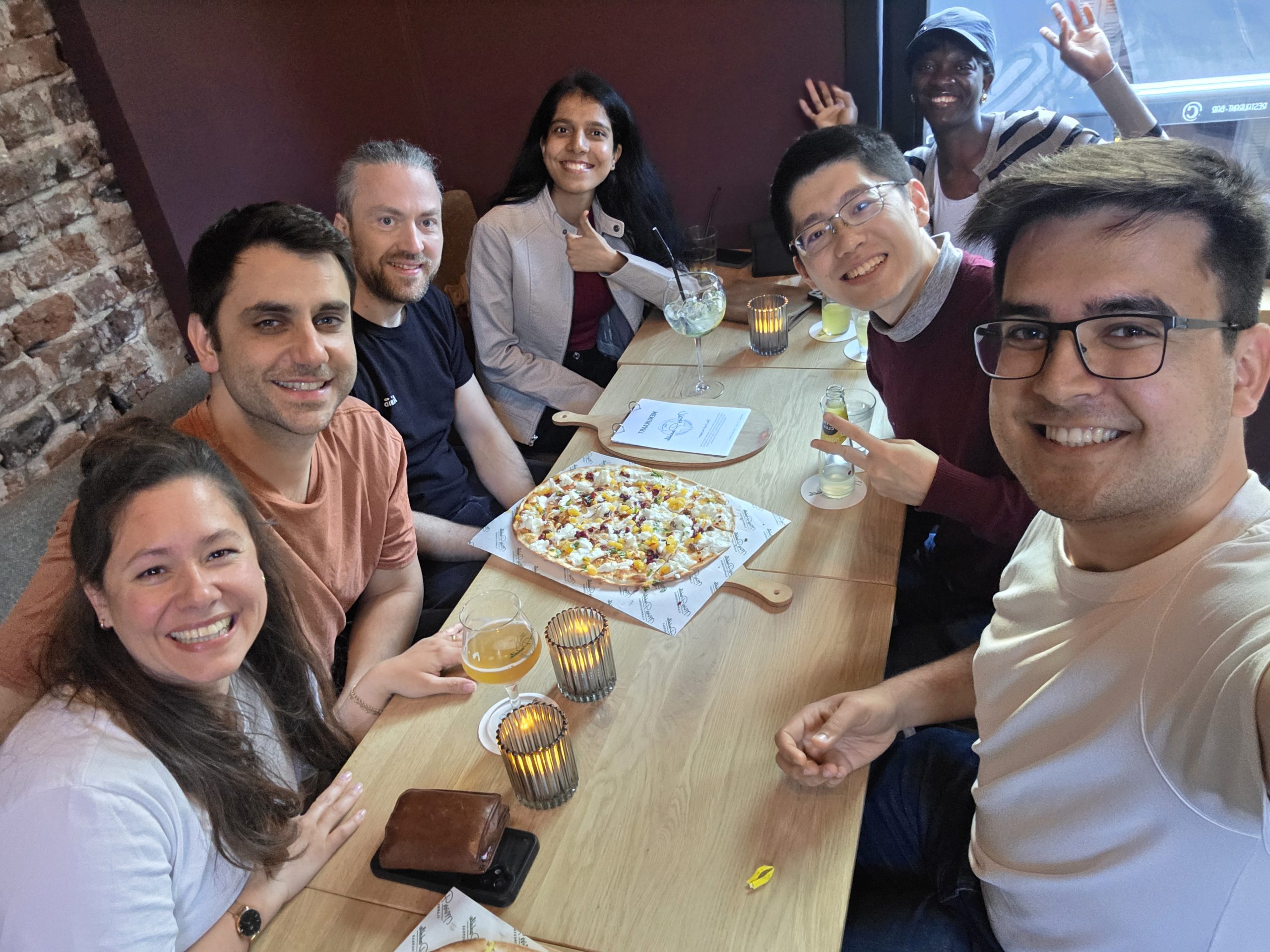
For the participants, the trip was far more than a series of lectures and company visits. The trip offered numerous opportunities to present their own research, discuss current issues, network, and gain new inspiration for their own work—from human-centered AI to multimodal learning.
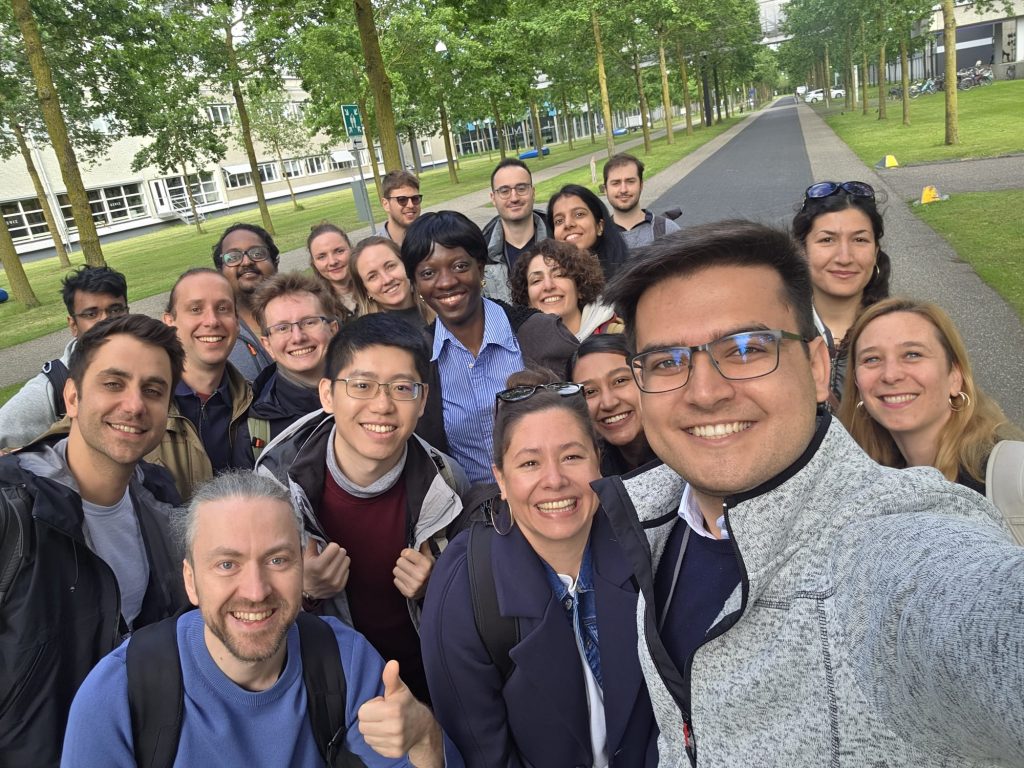
The Science & Innovation Tour 2026 impressively demonstrated how valuable international networking can be for young AI researchers. Direct interaction with leading research groups, innovative startups, and established companies opened up new perspectives on research, career paths, and the practical application of AI. It was precisely this combination of scientific excellence, industrial application, and open exchange that made the Science & Innovation Tour 2026 a particularly valuable experience.