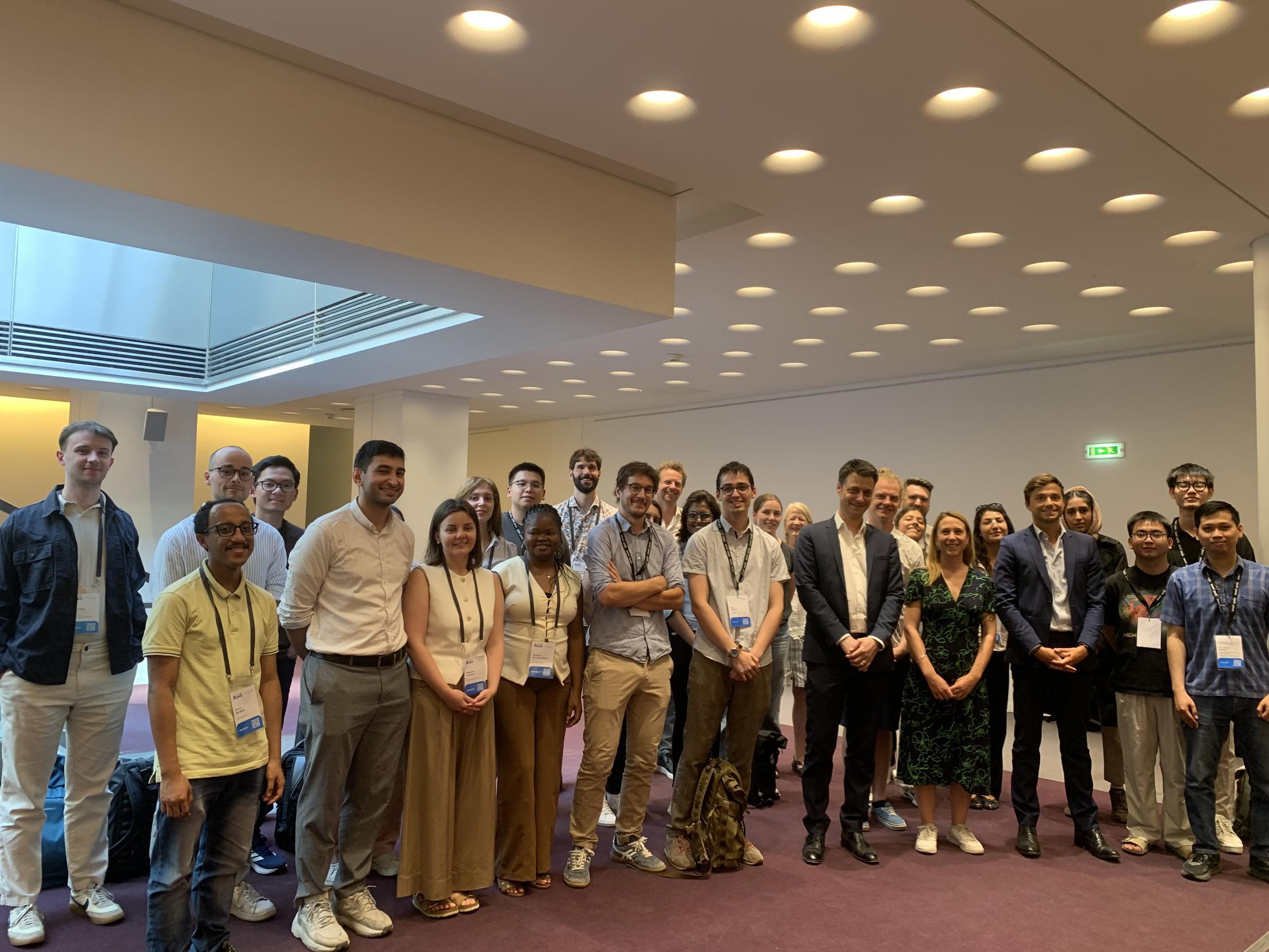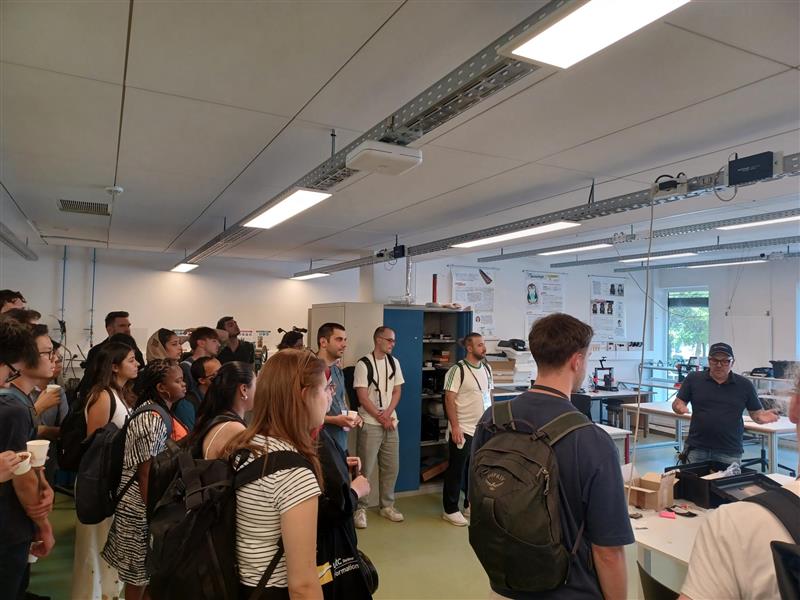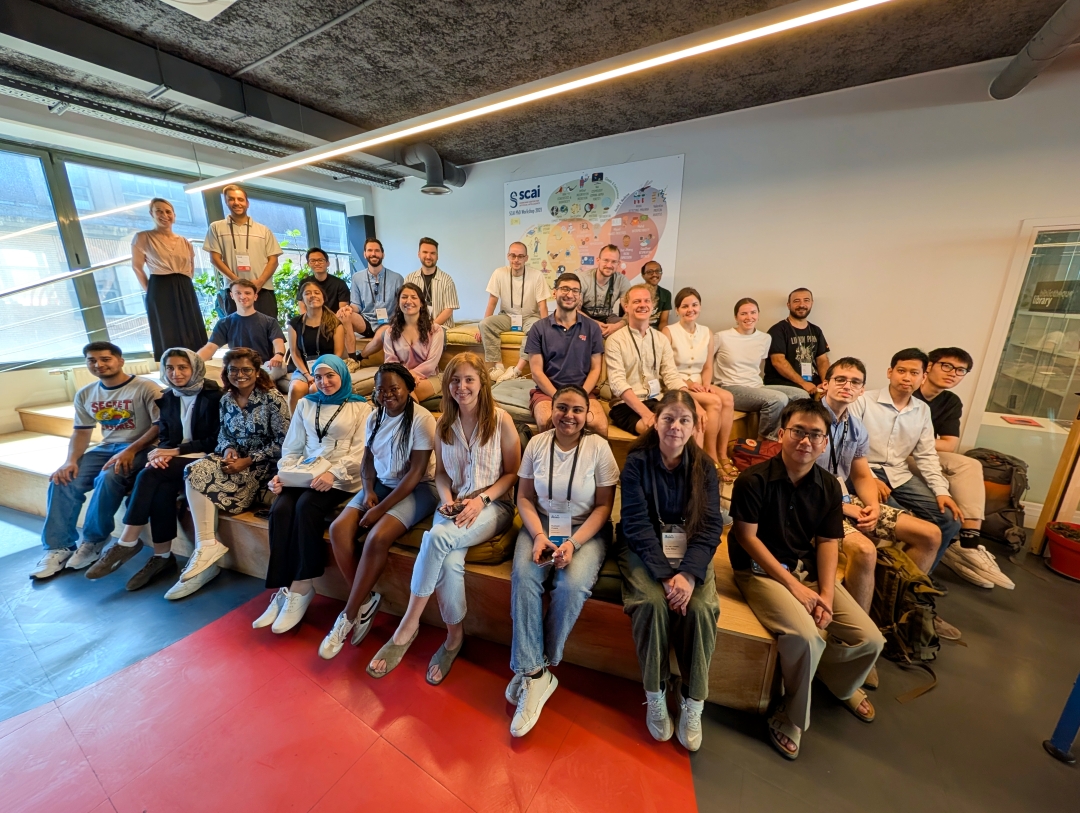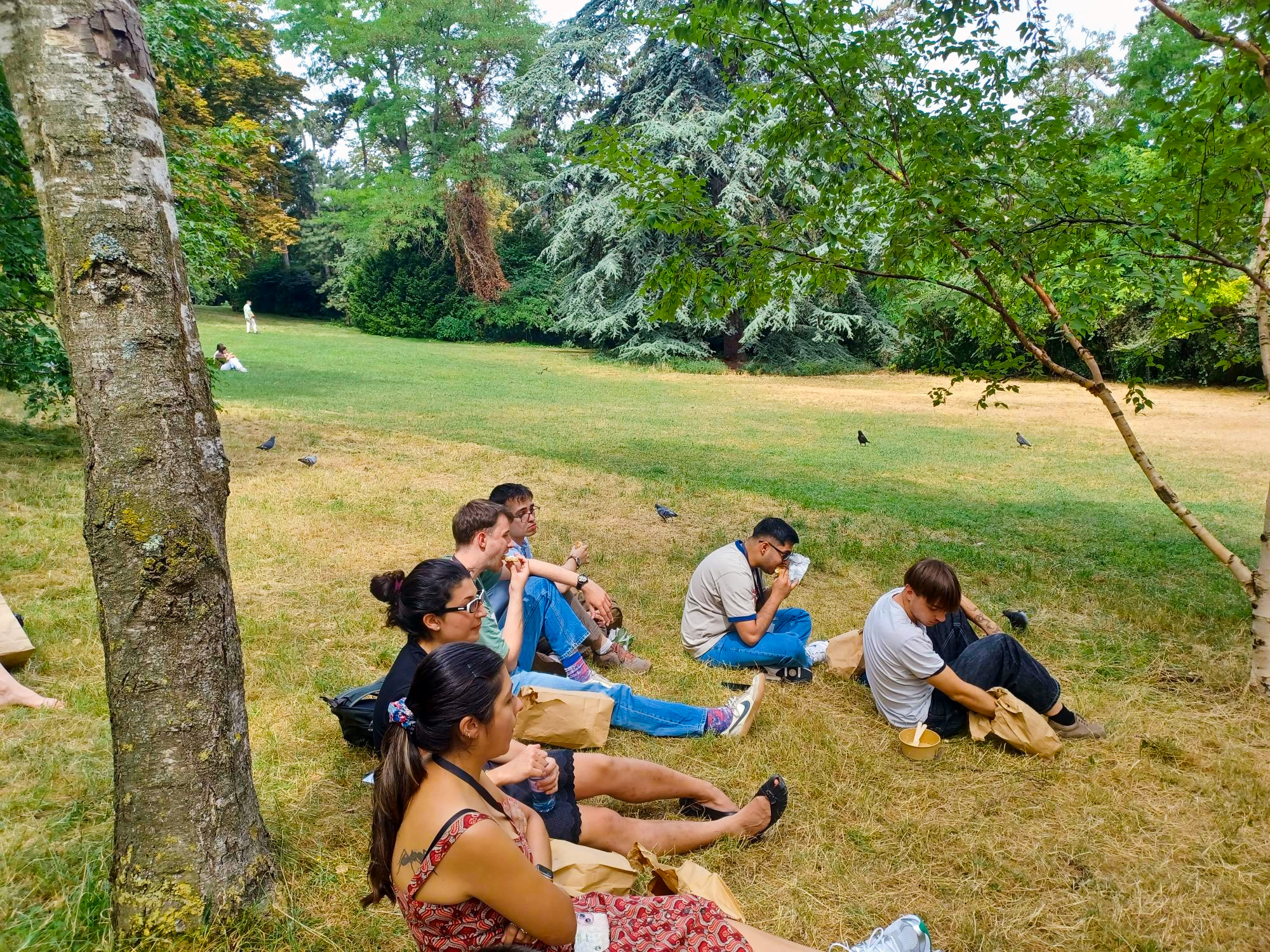
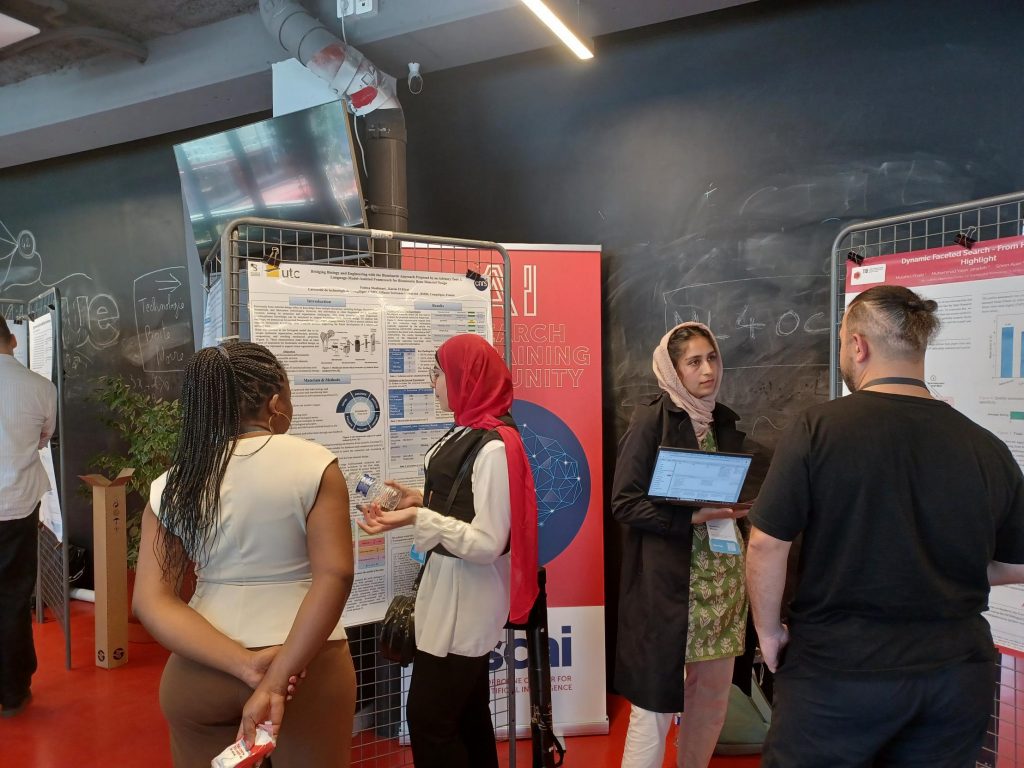
Berlin, 16 July 2026 – Entitled “AI for Science”, 28 junior researchers – 18 from Germany and 10 from France – gathered in Paris from 6 to 10 July 2026 for the second joint Summer School hosted by AI Grid and SCAI (Sorbonne Cluster for Artificial Intelligence), this year supported by the DataIA Institute Paris-Saclay. The programme focused on scientific exchange, the development of joint research projects, and building a lasting Franco-German network for AI research.
Driving European innovation through Franco-German research collaboration
The Summer School reflects the close scientific partnership between Germany and France. Both countries are actively strengthening a shared European research and innovation ecosystem by connecting talented researchers, universities, and research institutions. In the field of artificial intelligence in particular, this collaboration is becoming increasingly important for reinforcing Europe’s technological sovereignty and accelerating the transition from research to real-world application. Laure Poirson, Project Lead at AI Grid, said: “France and Germany share a long tradition of scientific collaboration. For decades, our joint efforts have led to outstanding research achievements and have repeatedly served as a catalyst for broader European initiatives. When our two countries join forces, they often inspire partners across Europe to get involved. That is precisely the kind of momentum Europe needs today more than ever.”
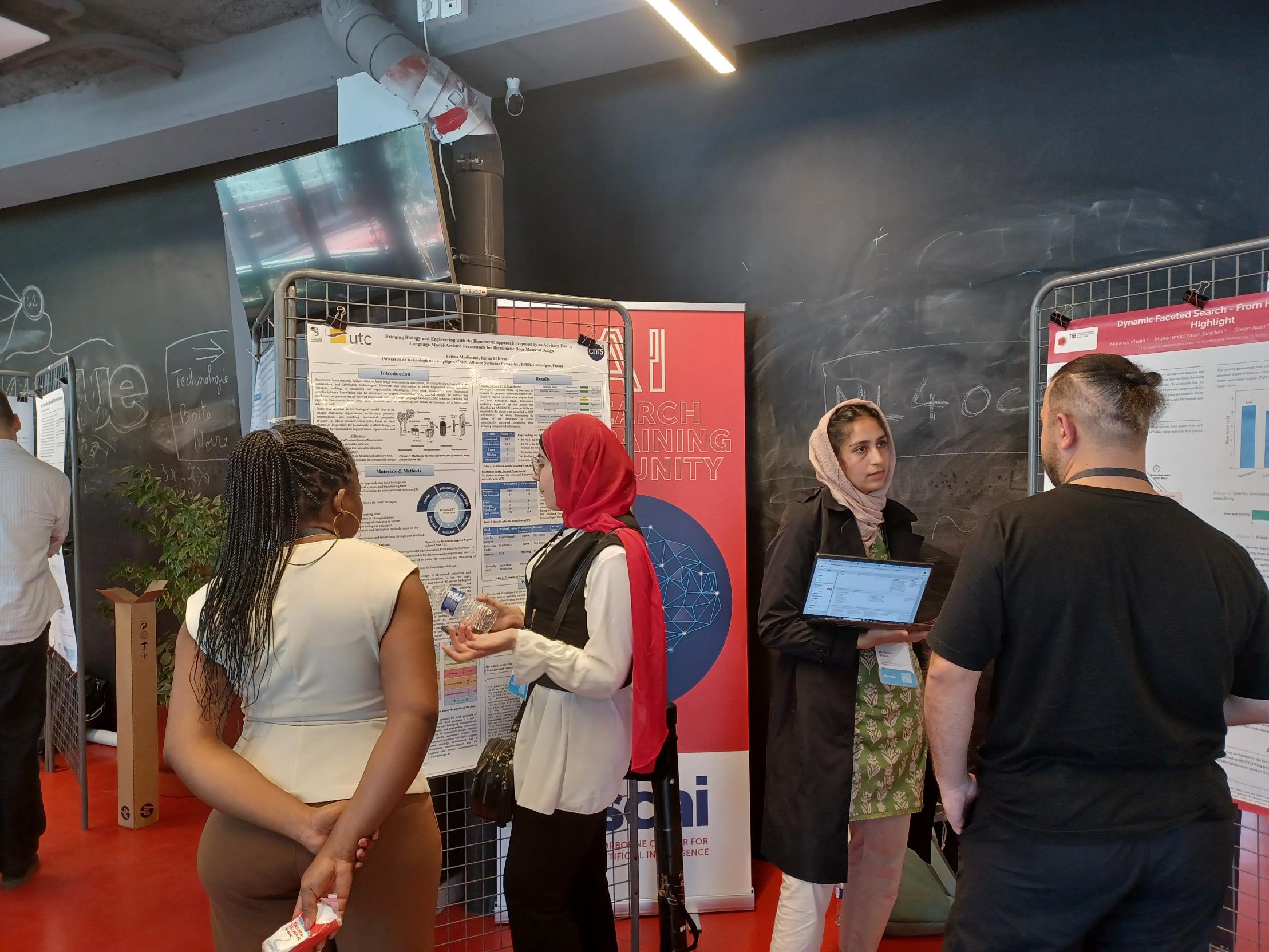
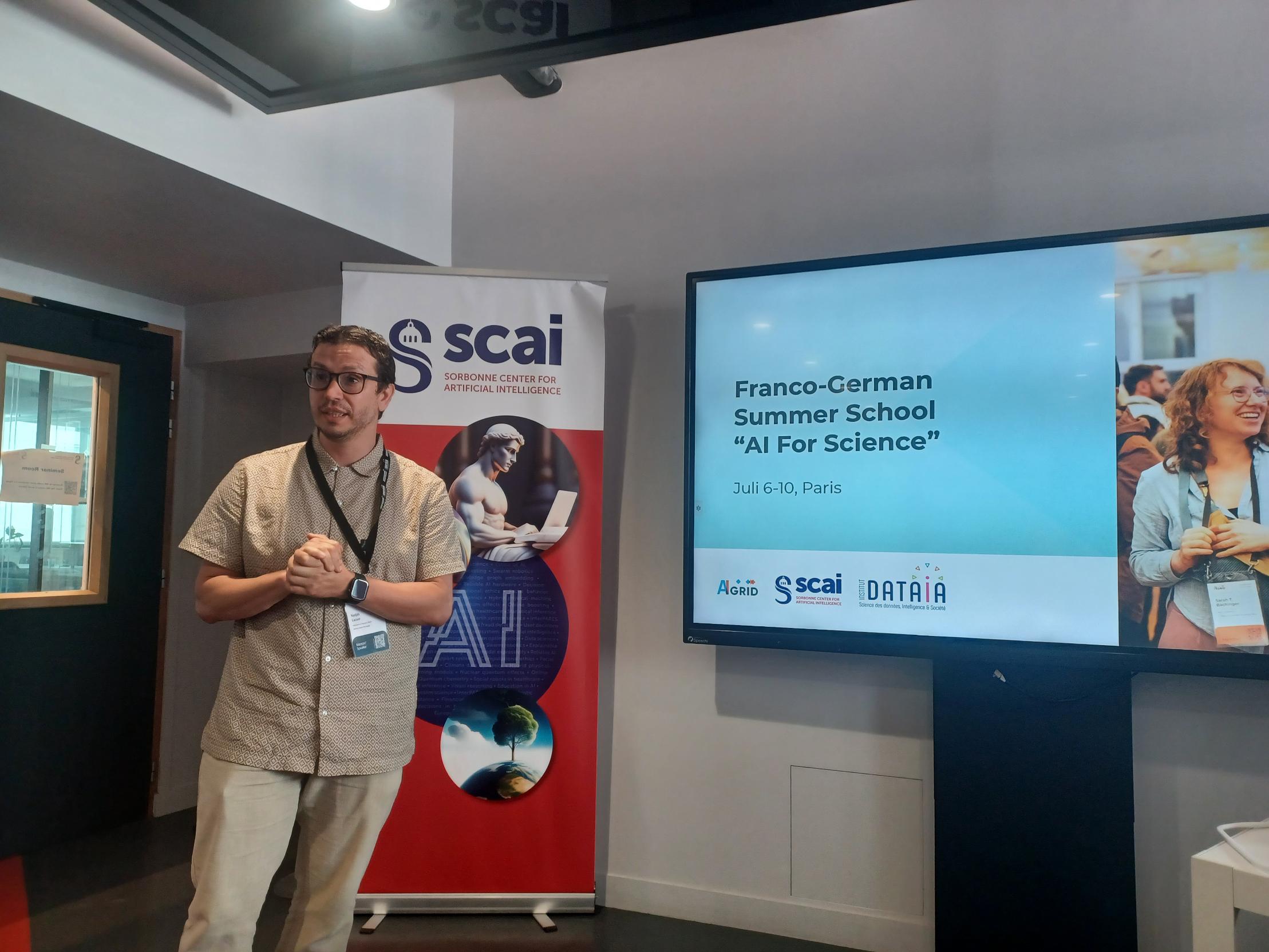
The Summer School combined inspiring speeches with intensive collaborative project work. Through keynote lectures, workshops, poster sessions and group activities, participants explored topics including AI for environmental and climate research, cybersecurity, physics, mathematics, medicine, and biology. Among the highlights were keynote presentations by Professor Elif Kavun (TU Dresden/Barkhausen Institute) on artificial intelligence for cybersecurity and cryptographic engineering, Professor Sylvain Le Corff (Sorbonne Université) on AI in mathematics, and Professor Nadjib Lazaar (DataIA) on symbolic AI for building trustworthy systems. These speeches provided the starting point for interdisciplinary research ideas, which Franco-German teams then developed further throughout the week.
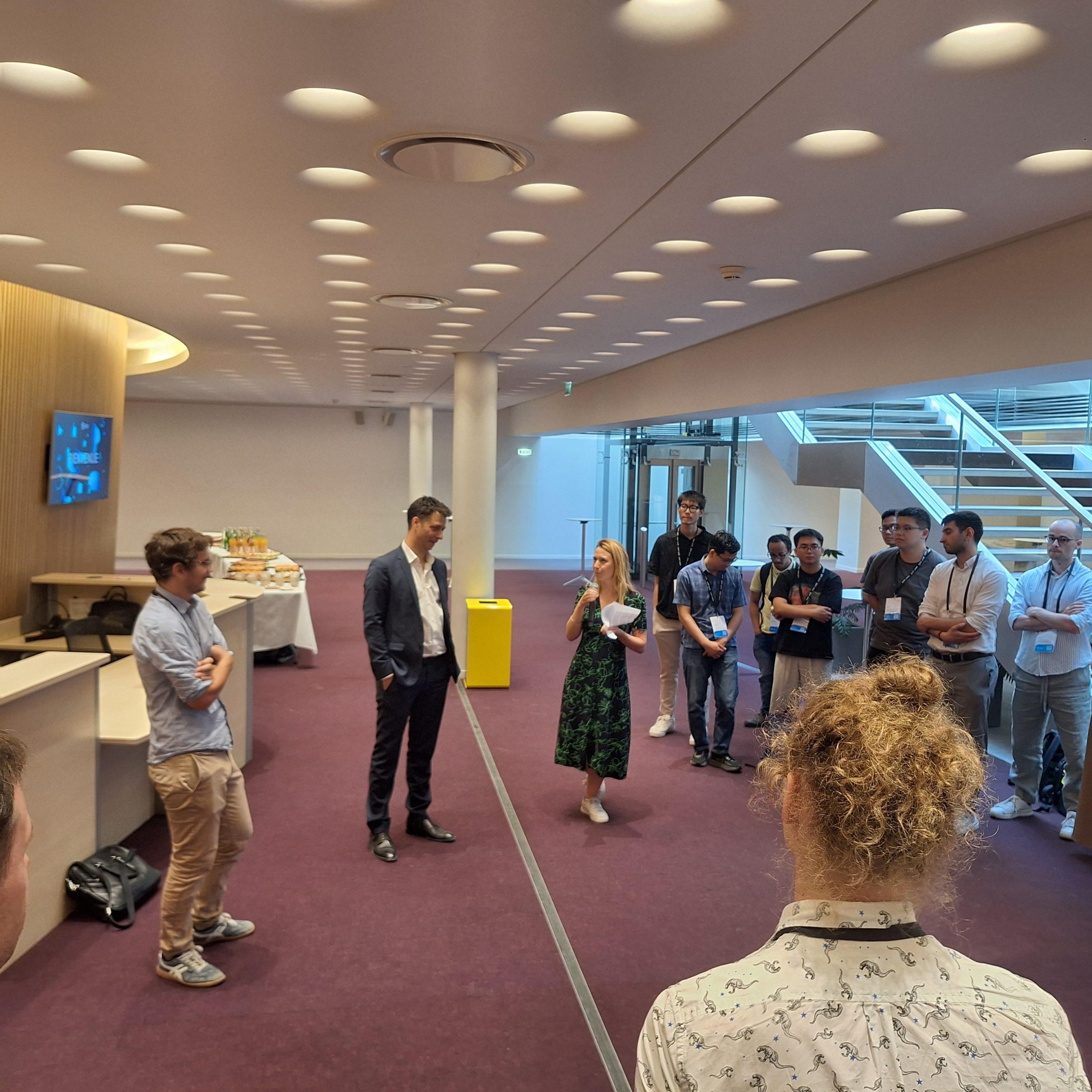
Addressing participants, Laure Poirson added: “Europe already has everything it needs to succeed: world-class universities, outstanding research institutions, innovative companies, and above all, talented people. Looking around this room, I see exactly those strengths coming together. The students, researchers and speakers gathered here this week are part of Europe’s future. The ideas you exchange, the collaborations you begin and perhaps even the friendships you form here could become tomorrow’s research projects, start-ups and innovations.”
The collaboration will not end with the Summer School. Over the coming months, the researchers will continue working on those research questions identified during the week, supported by the German and French partner organisations. The results will be presented at the AI Grid Summit 2027 in Berlin. Before then, another key event awaits the AI Grid community. On 14 and 15 October, researchers, mentors and partners from academia and industry will gather for this year’s AI Grid Summit, where the focus will be on the latest developments in AI research, strengthening connections between researchers, and supporting the careers of emerging AI talent.
About AI Grid – Europe’s AI Talent Incubator
AI Grid is an initiative funded by the Federal Ministry of Research, Technology and Space (BMFTR) to support the next generation of AI researchers. With more than 420 members and alumni, 43 Micro Focus Groups (specialised communities covering topics such as robotics, deep learning and trustworthy AI), over 110 mentors from academia and industry, 11 international ambassadors, and around 12 exclusive events each year at Europe's leading AI hubs, AI Grid is building a strong and sustainable network for scientific excellence and collaboration.