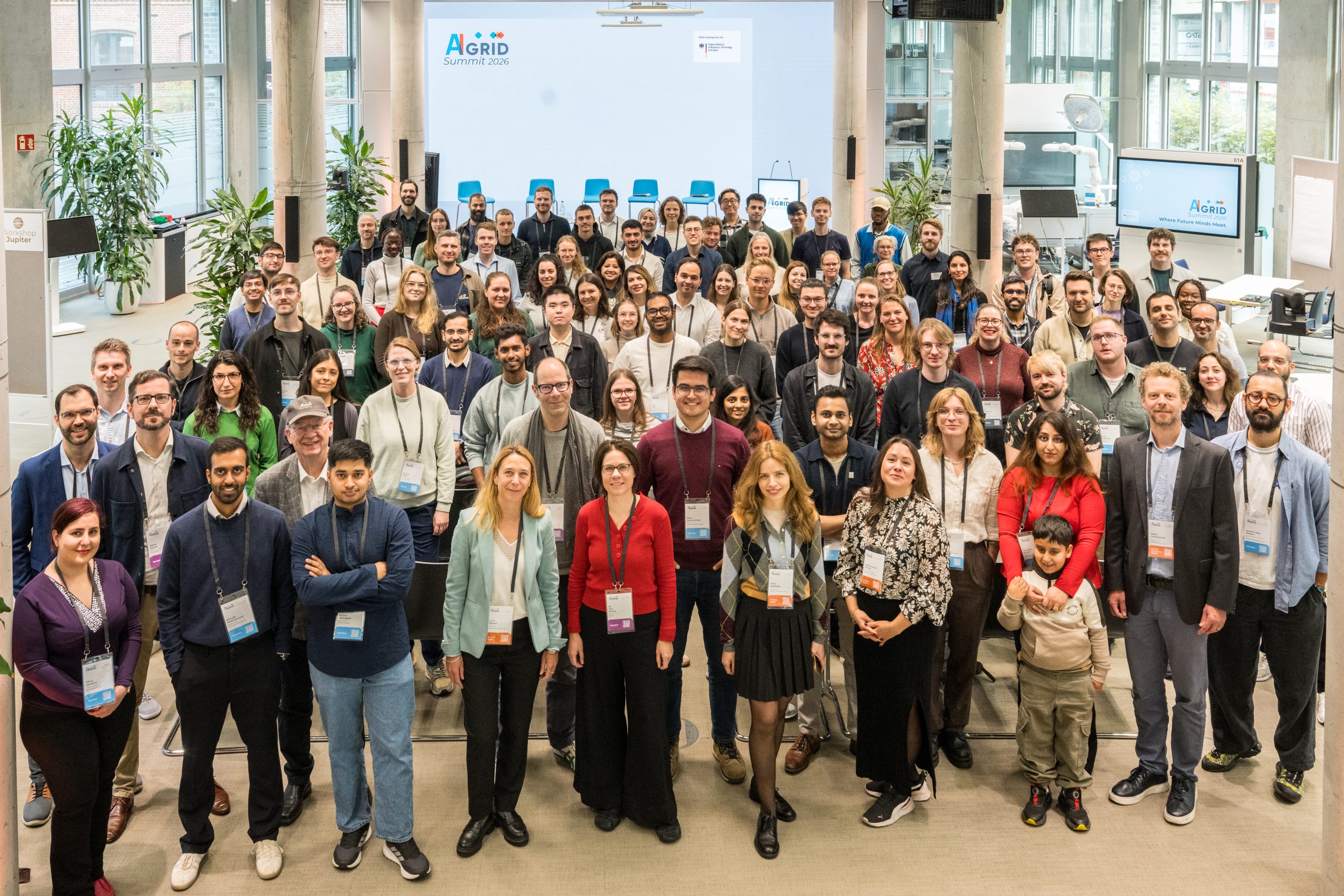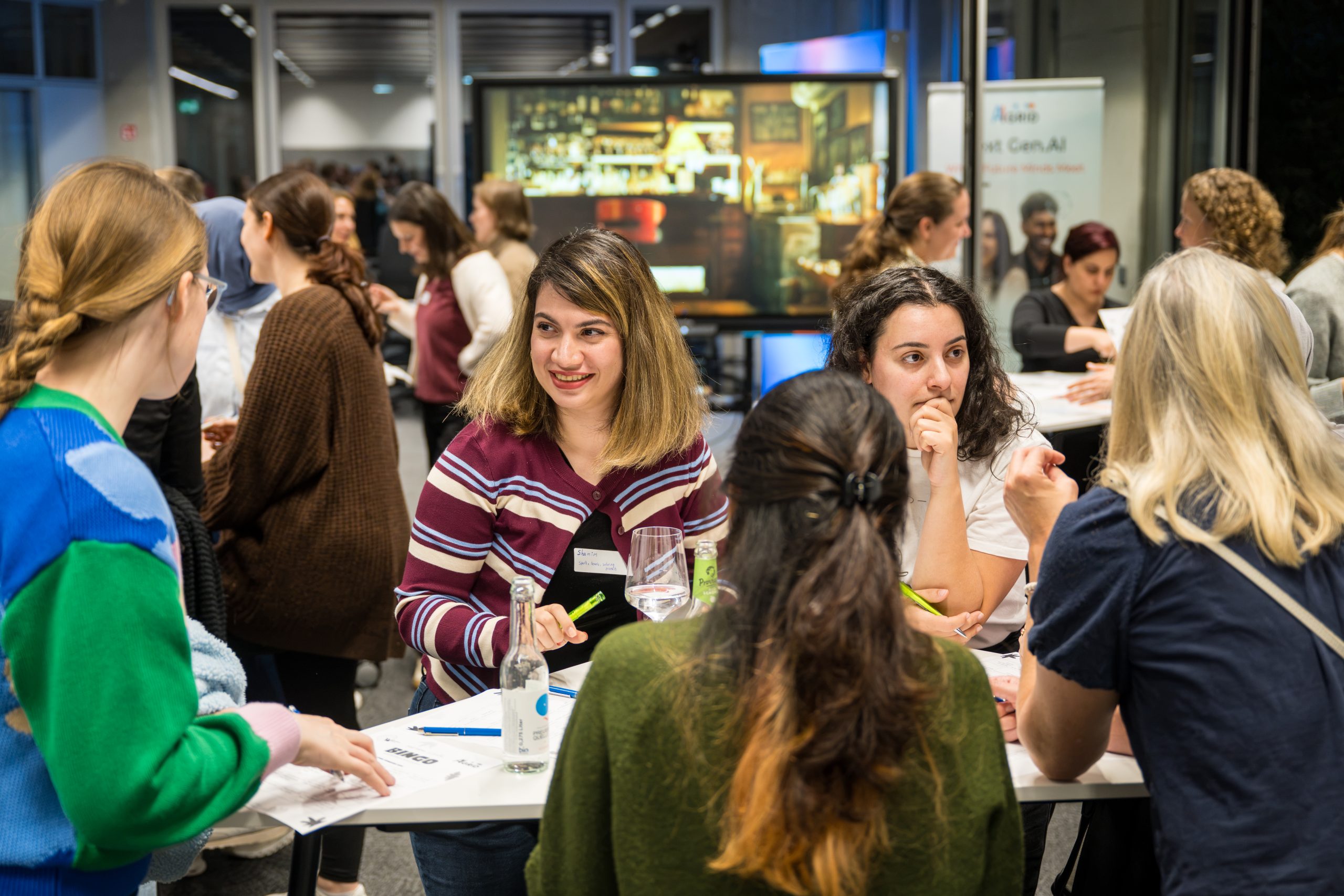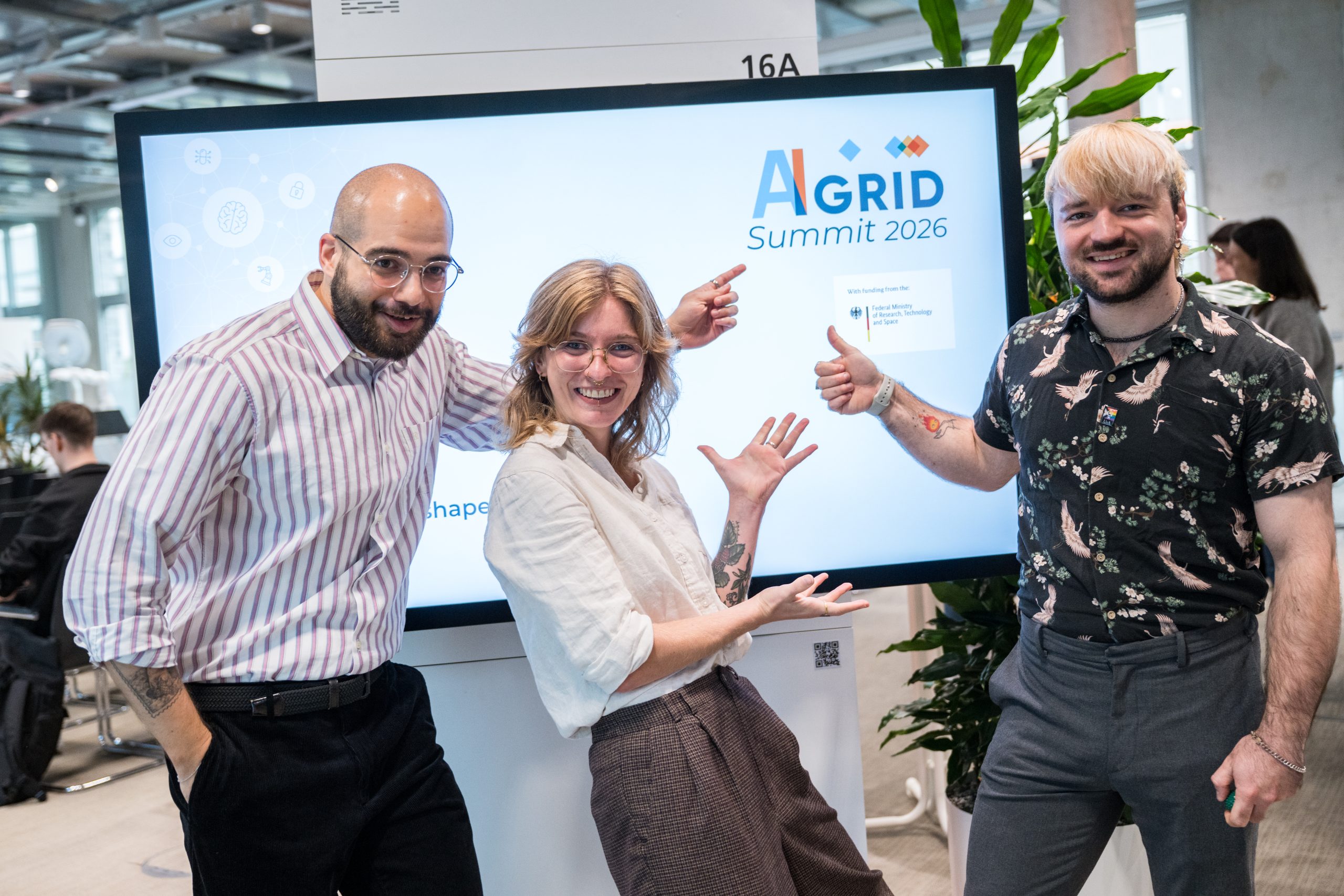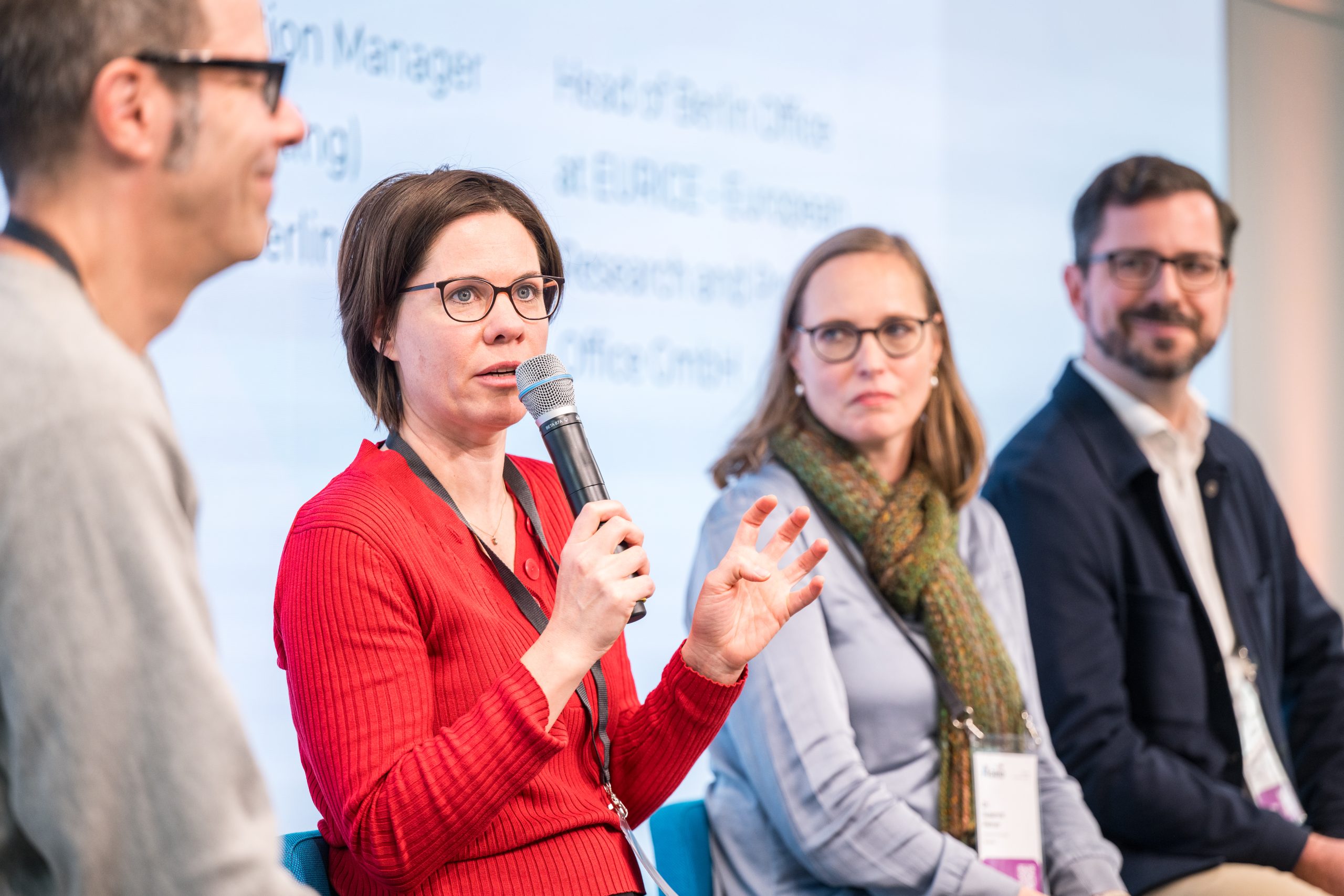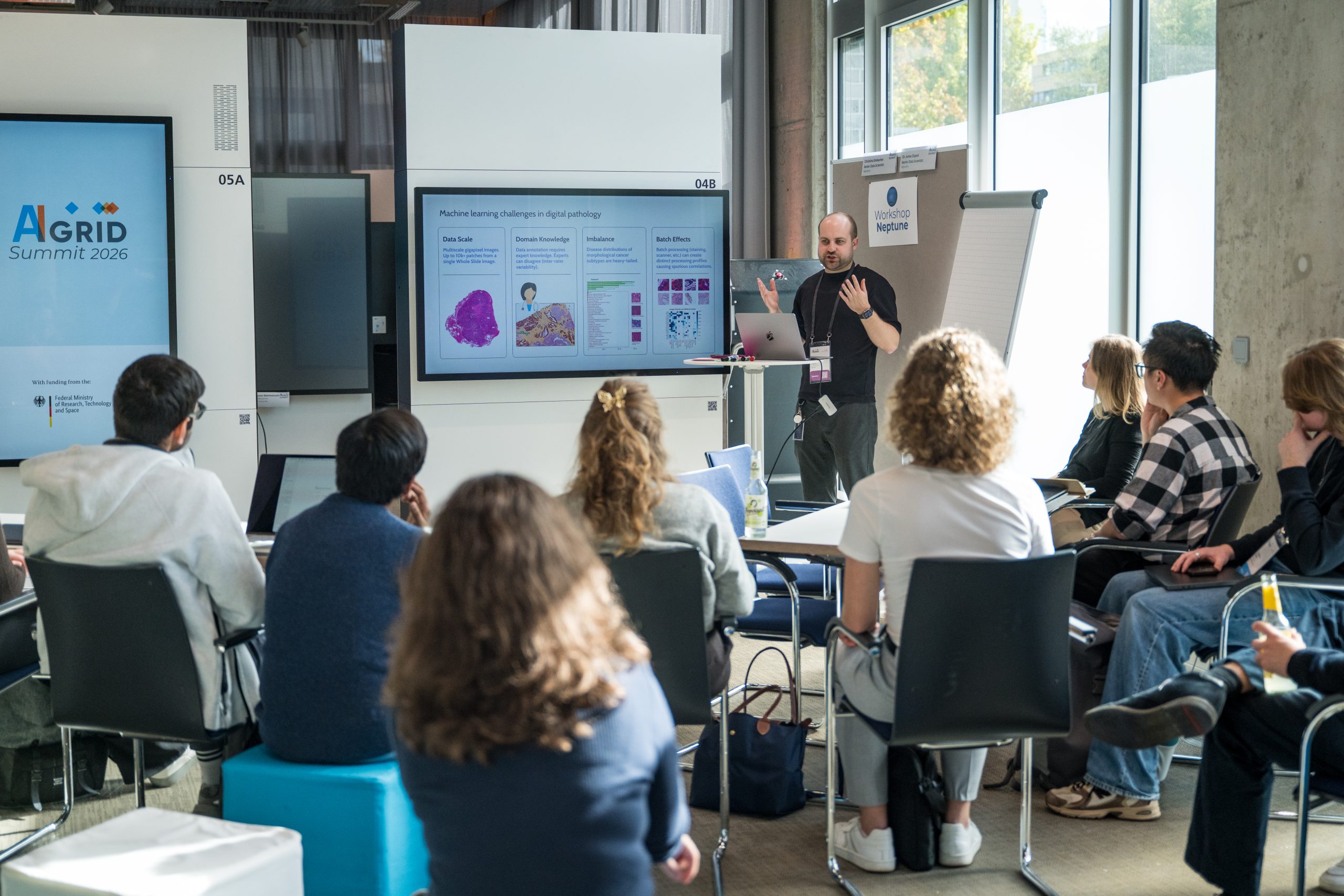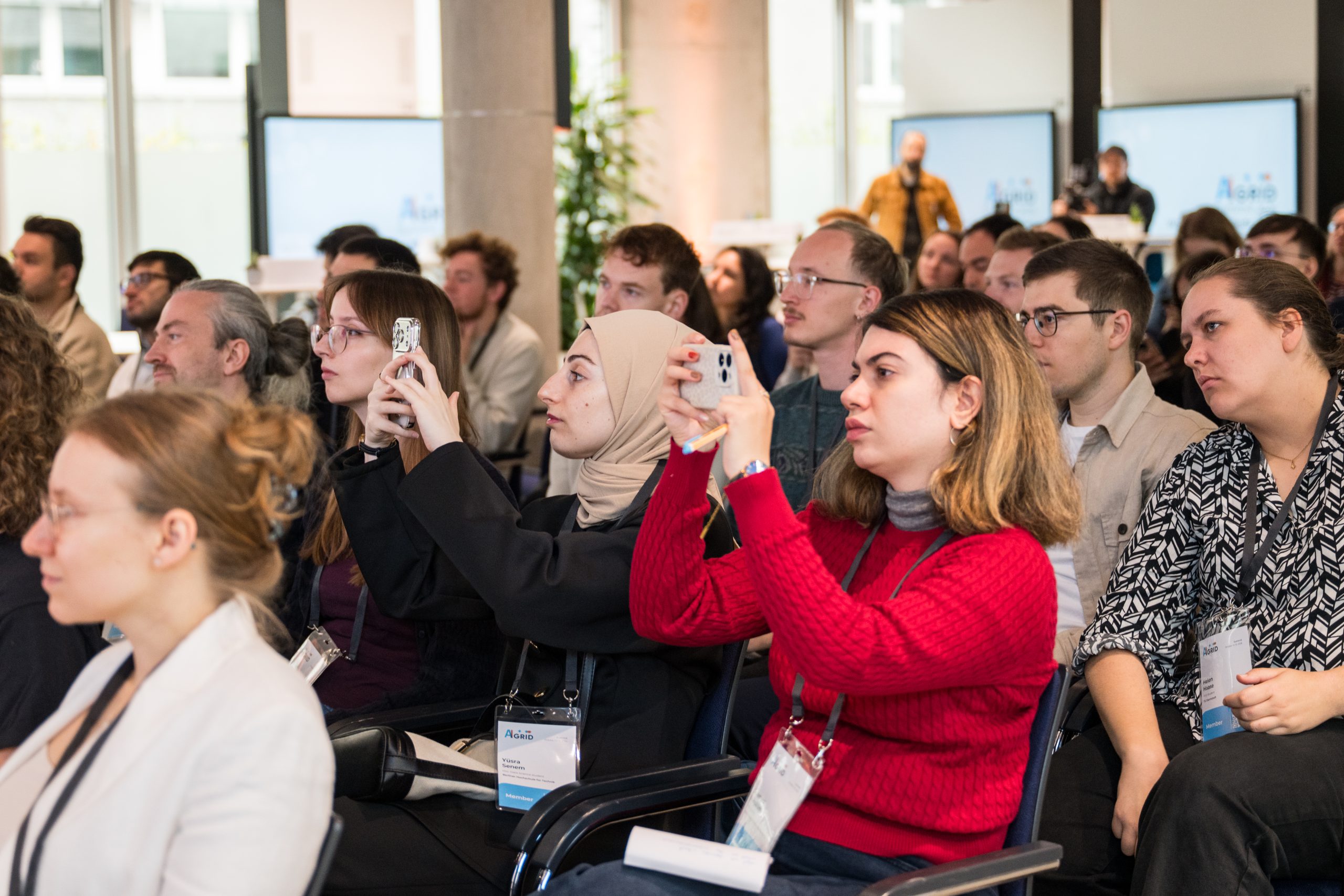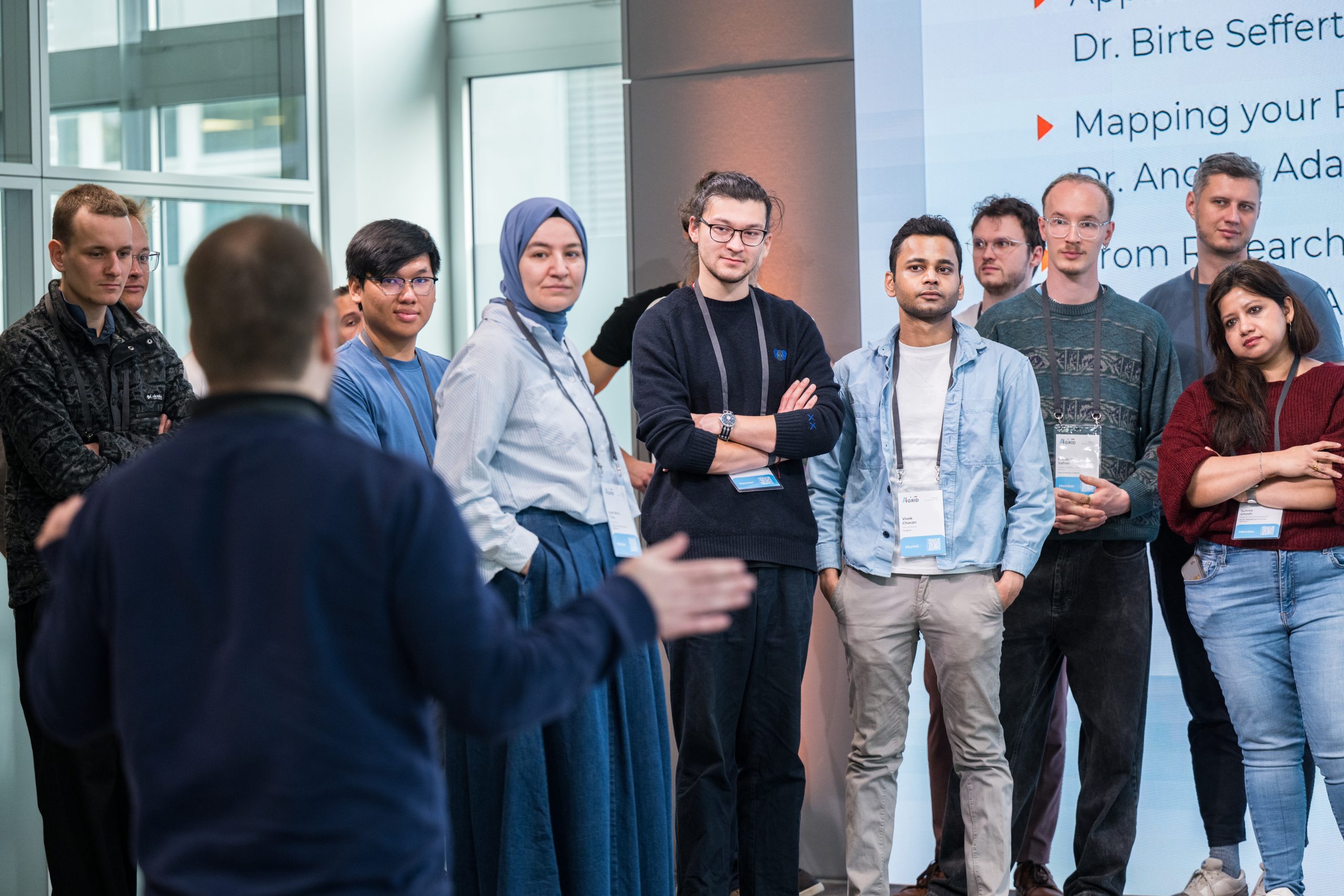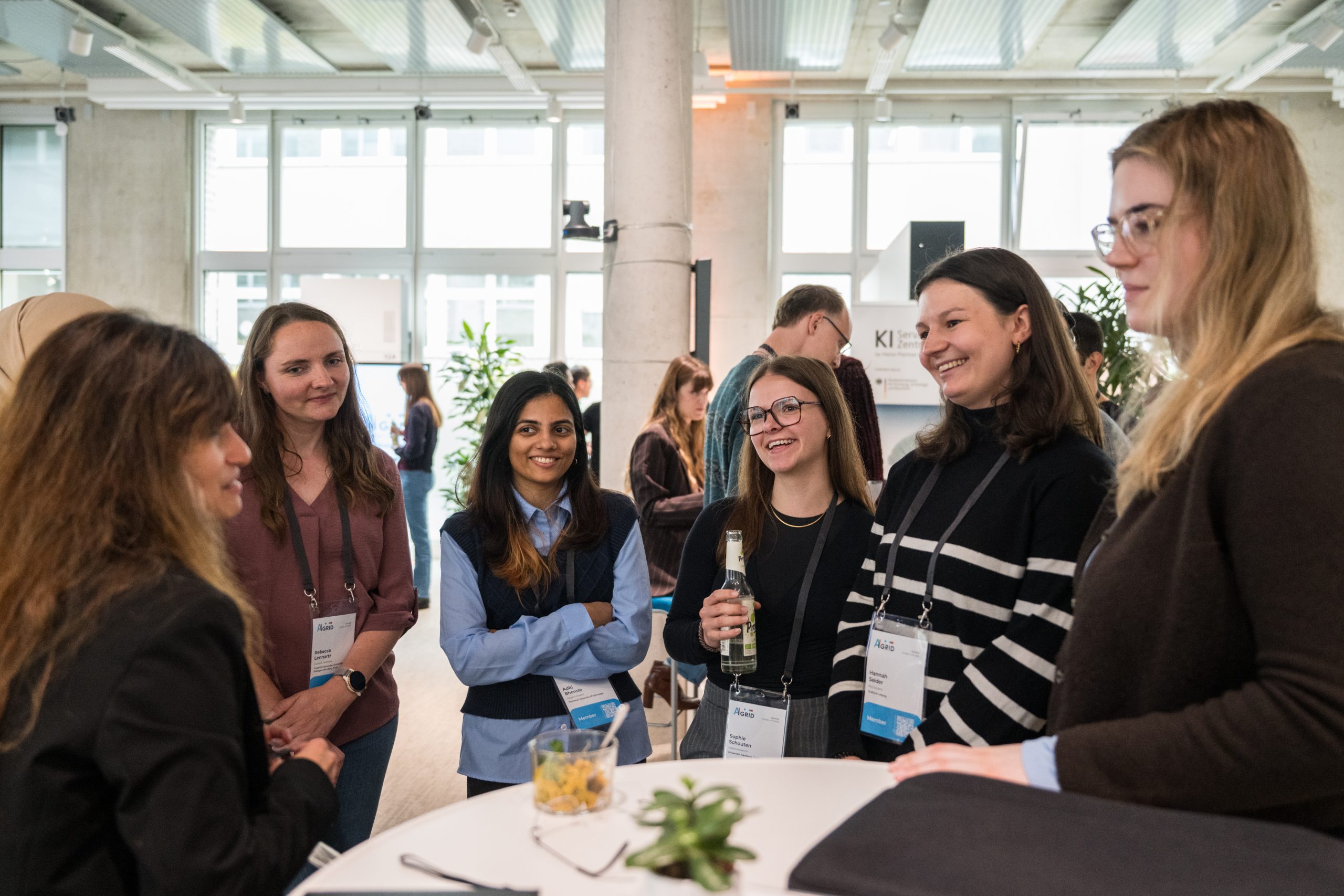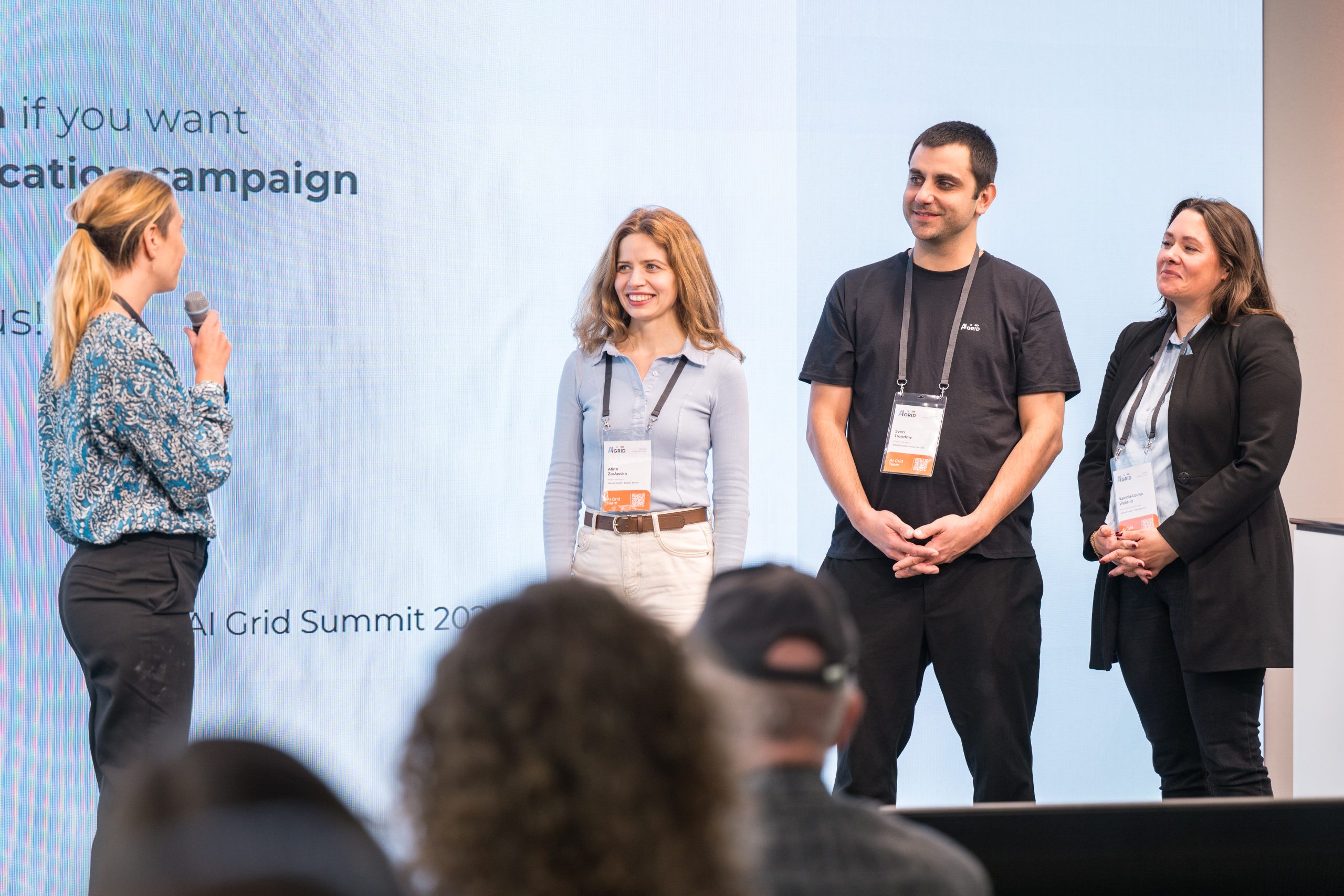
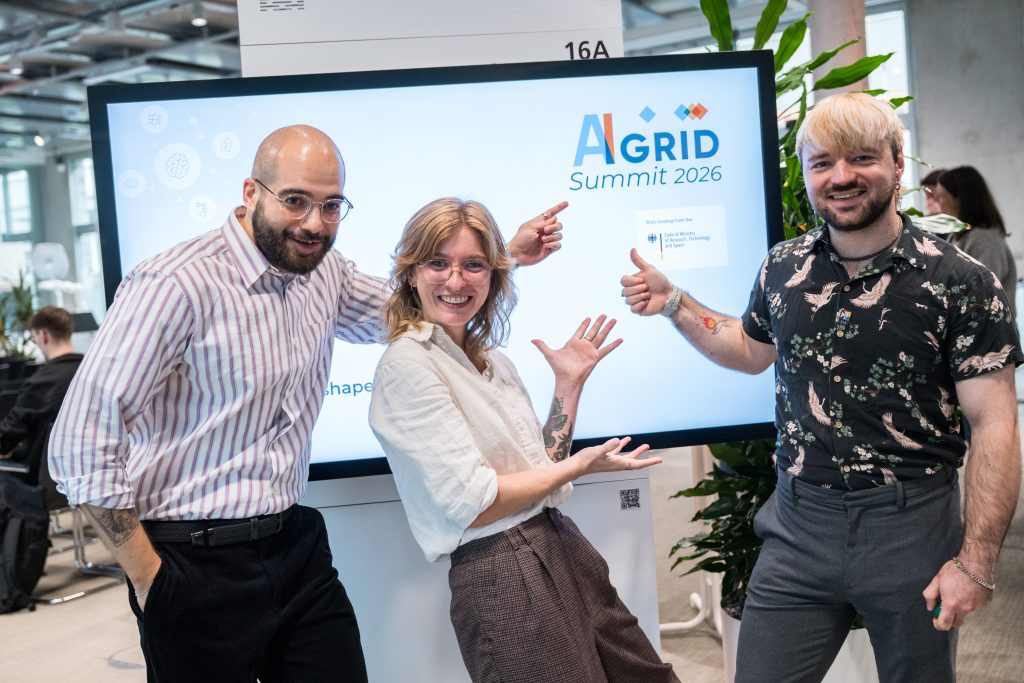
Berlin, 19 Oktober 2026 – How does excellent AI research translate into concrete applications? This question took center stage on October 14 and 15 at the AI Grid Summit held at the Forum for Digital Technologies in Berlin. AI Grid, the network for young AI researchers funded by the Federal Ministry of Research, Technology, and Space (BMFTR), brought together more than 120 rising talents as well as experts from academia, industry, and the German AI ecosystem. Through keynotes, discussions, workshops, and deep-dive sessions, participants exchanged ideas on how scientific findings can create social and economic value. The focus was on the transfer of research into practical applications, responsible and safer AI, and the prospects for the next generation of AI researchers.
Germany has a strong foundation in AI research. According to the OECD, the country ranks fifth worldwide in the number of scientific AI publications and fourth in their quality, as measured by citations. The OECD identifies particular strengths in areas such as robotics, computer vision, and natural language processing. However, excellent research alone does not guarantee international competitiveness: In its 2026 annual report, the Expert Commission on Research and Innovation (EFI) emphasizes that Germany and Europe also need high-performance AI infrastructure, an innovation-friendly regulatory framework, and broad economic application of AI to achieve this. This is precisely where AI Grid comes in: The network brings together young AI researchers with experienced experts from academia and industry, thereby fostering collaboration and the development of new applications.
“Germany has outstanding AI research. It is crucial to provide young researchers with the networks and support they need early on so that their scientific findings can lead to innovation. AI Grid sees itself as a bridge between research, industry, and entrepreneurship,” said Laure Poirson, Project Lead of AI Grid. Prof. Dr. Wolfgang Wahlster, Chair of the AI Grid Executive Board and Chief Executive Advisor at DFKI, said: “ When it comes to AI, Germany’s greatest opportunity lies in industrial applications. We must focus on more compact language models, as well as on small action and process models. These are faster to create and operate, requiring less effort. At AI Grid, as the world’s leading supplier of factory equipment, we have the great potential—together with our young AI talents—to compete on equal footing with rivals from the U.S. and China.”
From Research to Impactful Solutions
How research can be put into practice was one of the central themes of the summit. Dr. Tina Klüwer, Executive Director of AI NATION, AI researcher, and entrepreneur, kicked off the discussion “From Lab to Real-World Applications” with remarks on technology transfer. “The transfer of research into practice worries me and keeps me up at night. It simply takes too long. We’re not talking about weeks or months here, but about the years it sometimes takes. In times of economic stagnation, we cannot afford such long transfer windows. The early-stage funding, the potential, and the talent are all there. What we need are more spin-offs from universities and a dialogue between society, companies, and the business community to ensure that startups are successful in the long term,” said Dr. Tina Klüwer, Executive Director of AI NATION, the national platform for AI startups..
Together with representatives from research and innovation management, the participants then discussed which conditions can support the transfer of scientific findings into concrete applications. It became clear that, given its existing industrial base, Germany should focus on industrial AI applications. The economic relevance of this transfer is also evident in the German startup landscape. According to the German Startup Monitor 2026, 53.3% of German startups state that AI is at the core of their product. At the same time, challenges remain for spin-offs from research: A survey published in 2025 by the Startup Association, which polled 1,846 innovative and growth-oriented companies, points, among other things, to a need for improvement in the speed and framework conditions for transferring intellectual property rights from universities and research institutions.
The Mini Challenges at the summit also demonstrated how a research finding can become a marketable product. In this format, civil society organizations and companies presented young researchers with specific problems for which AI can offer new solutions—such as improving investment decisions and impact analyses in development finance, designing more efficient supply processes in hospitals, or better forecasting energy consumption and resource use.
AI Research Must Prioritize Safety
As the capabilities of AI systems grow, the issue of their safety is becoming increasingly important. Recent incidents at major AI companies such as OpenAI have also led to increased oversight and stricter safety requirements for AI systems. In August 2026, Germany launched AISI Deutschland, a national AI Safety and Security Institute. Its mission is to analyze the capabilities and risks of modern AI models and develop solutions for the safe use of AI systems. At the same time, the European AI Act establishes a risk-based legal framework designed to enable innovation while protecting fundamental rights and security.
For AI researcher and AI Grid member Felix Mächtle, security doesn’t begin with the finished product. Mächtle is pursuing his Ph.D. in IT security for generative systems and focuses, among other things, on machine learning and cybersecurity. His research shows why, as AI systems become increasingly autonomous, we should consider not only individual model outputs but also the interplay between models, tools, infrastructure, and control mechanisms.
„“A personal highlight of the summit for me was the interdisciplinary exchange, especially during the poster session. It became clear just how valuable different research perspectives are for developing new ideas and jointly discussing key questions surrounding topics such as fairness, trustworthiness, and explainability in AI. I was all the more pleased that these topics were also addressed in the presentations,”says Felix Mächtle, an AI researcher at the University of Lübeck.
Zwei Tage für Forschung, Transfer und die nächste Generation von KI-Talenten
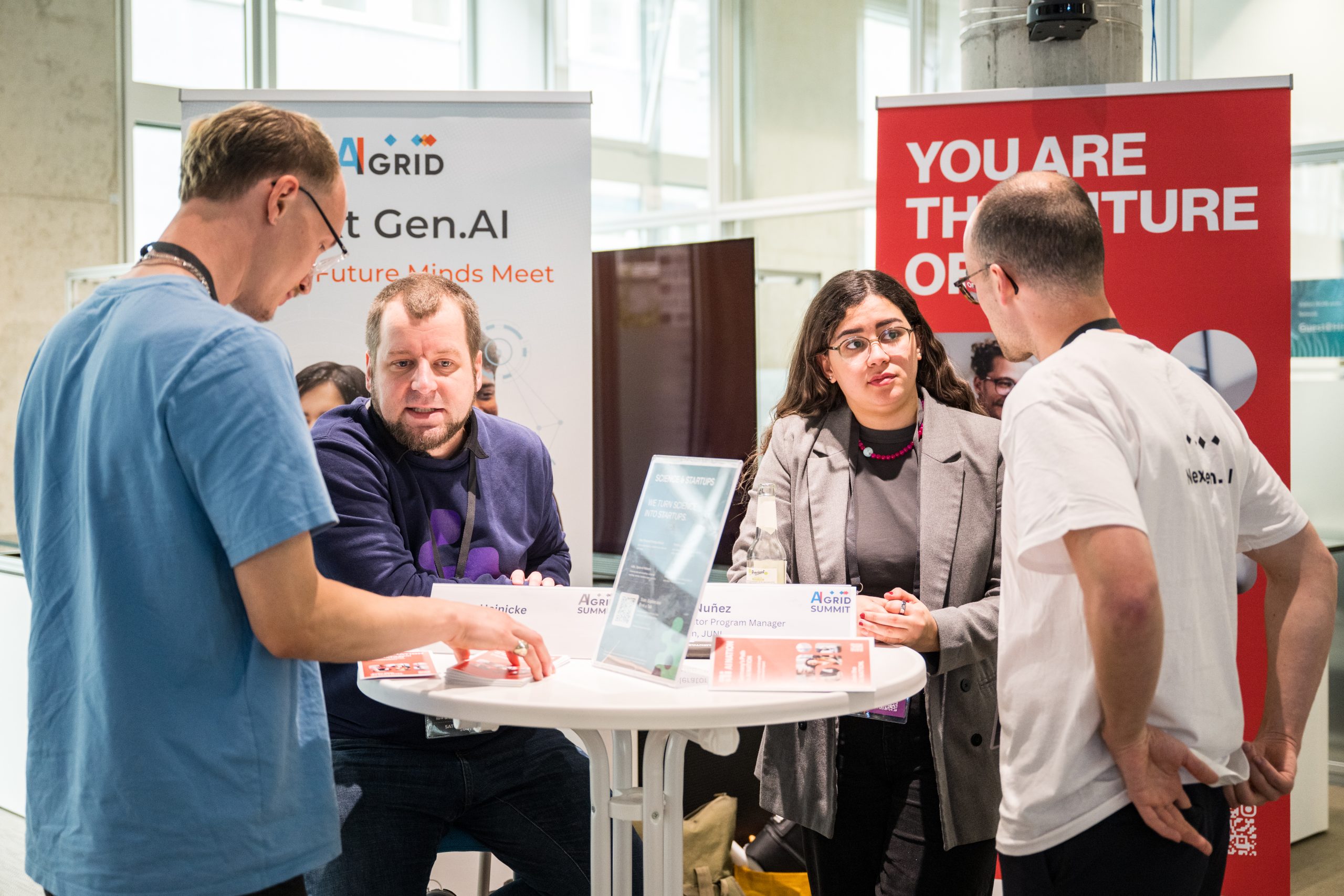
In addition to the transfer of research into concrete applications, the AI Grid Summit 2026 focused on the career prospects available to young AI researchers. On the second day of the event, the focus was on careers, entrepreneurship, and international research programs. In workshops and at a “Career & Opportunities Marketplace,” participants were able to discuss career paths in academia and industry, starting companies, research stays, funding opportunities, and project collaborations. A dedicated coaching session was specifically designed for female researchers.
The summit thus provided a forum for discussing current issues in AI research from various perspectives and for strengthening connections between early-career researchers and experienced experts from academia and industry.
We would like to thank our partners who contributed to the summit: AI NATION, BIFOLD, CAIMed, DAAD, DFKI, Forum Digitale Technologien, HPI, ScaDS.AI, TU Berlin, and Women in AI.
About AI Grid – Europe’s AI Talent Incubator
AI Grid is an initiative funded by the Federal Ministry of Research, Technology, and Space (BMFTR) to support young AI researchers. With over 450 members and alumni, 50 Micro Focus Groups (specialized communities on topics such as robotics, deep learning, and trustworthy AI), over 120 mentors from academia and industry, and 12 international ambassadors, AI Grid is building a network for scientific exchange, mentoring, and career development. The network organizes around 20 exclusive events annually, including at European AI hubs.
AI Grid Contact
Varenia-Louisa Weiland
Communications Manager
varenia@ai-grid.org
Lars Kitzmann
EuroComms
+49 178 788 2961
lars@euro-comms.com