Domains & Micro Focus Groups

Members can network by topic in Domains or engage in much more specific discussions within the numerous Micro Focus Groups.

DOMAINS

DOM: Physical Sciences

The Domain Group integrates interdisciplinary research across physics, chemistry, and related physical sciences to investigate how Artificial Intelligence contributes to discovery and innovation in the field. By accelerating progress in modeling, simulation, materials research, and experimental analysis, the group helps unlock new insights and push the boundaries of scientific understanding.

DOM: Manufactoring / Industry

The Domain Group connects diverse research efforts across manufacturing processes, industrial systems, production technologies, and automation. Its focus lies in examining how Artificial Intelligence is reshaping industrial landscapes—enabling intelligent factories, optimizing predictive maintenance, enhancing quality assurance, and fostering seamless collaboration between humans and machines to advance the next generation of smart production.

DOM: Mobility

The Domain Group brings together interdisciplinary research on drones, cars, trains, and planes, covering the entire spectrum of mobility and transportation systems. It explores how Artificial Intelligence is transforming the mobility sector—through automation, enhanced safety, sustainable solutions, and intelligent infrastructure—while fostering dialogue on the future of connected and adaptive transportation.

DOM: Life Sciences

The Domain Group brings together interdisciplinary research from medicine, biology, and related life sciences to unlock the potential of artificial intelligence for understanding living systems. The focus lies on applications in diagnostics, drug development, personalized medicine, and fundamental biological research.

DOM: Humanities, Behavioral and Social Sciences

The Domain Group brings together interdisciplinary research from economics, sociology, philosophy, law, and political science to investigate the complex interactions between artificial intelligence and society. At the center is the interface between technology and social structures, where questions of human behavior, ethical responsibility, and political governance are addressed and constructive dialogue is fostered.

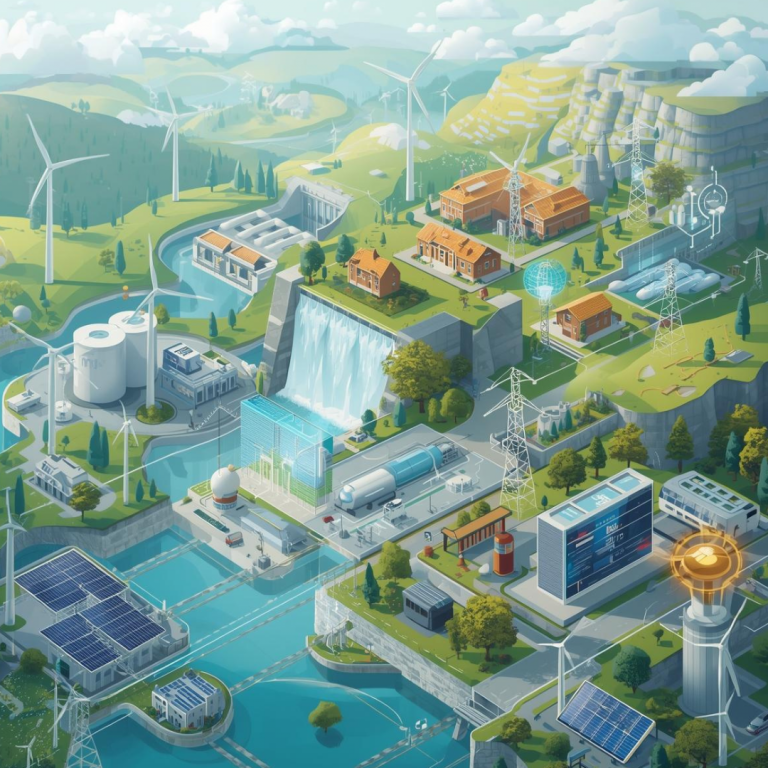
DOM: Energy

The domain group researches renewable energy, power grids, and AI, exploring how AI drives efficiency, sustainability, and smart energy systems.

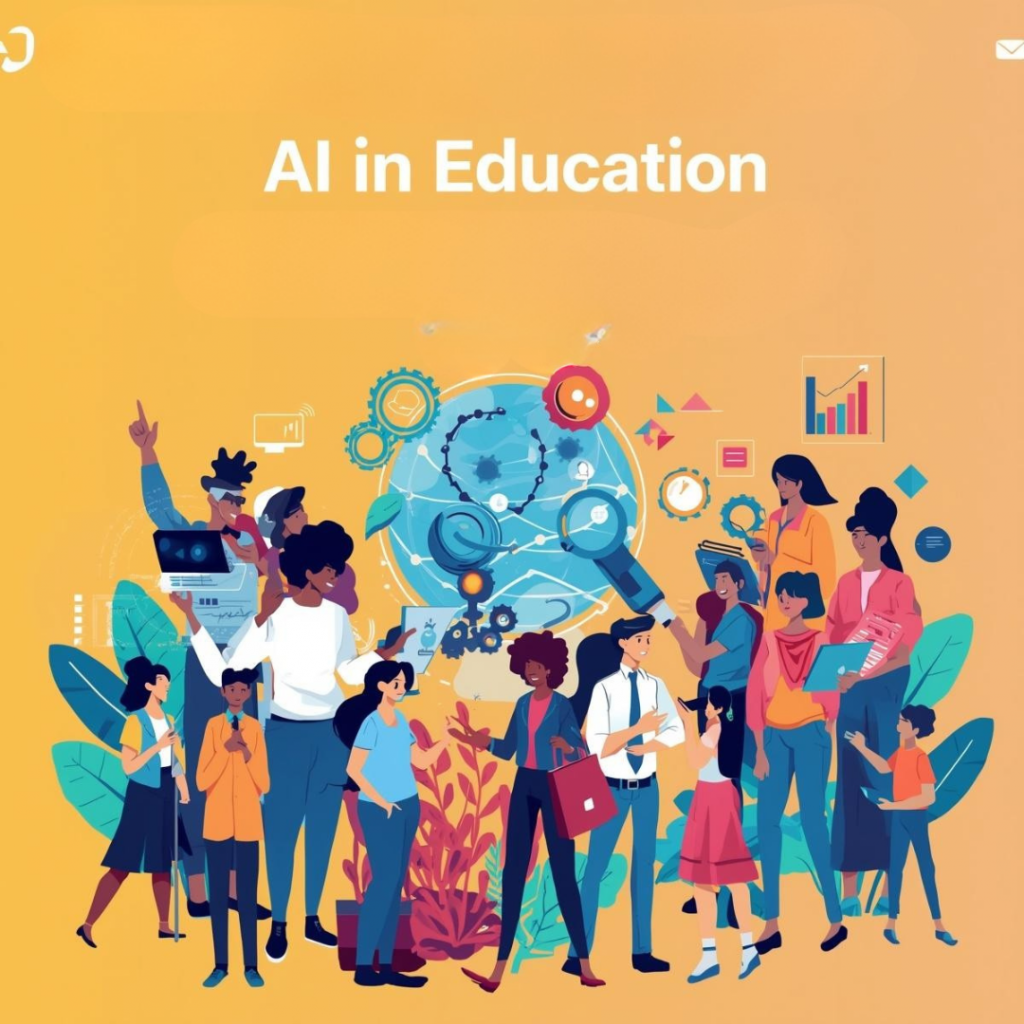
DOM: Education

The Domain group unites research on learning methods, teaching technologies, and AI in education. It investigates how AI is driving personalized learning, digital tools, and innovative teaching methods.

DOM: Agriculture

This domain explores AI methods for agriculture, focusing on intelligent farming, data-driven crop management, and sustainable agricultural technologies.

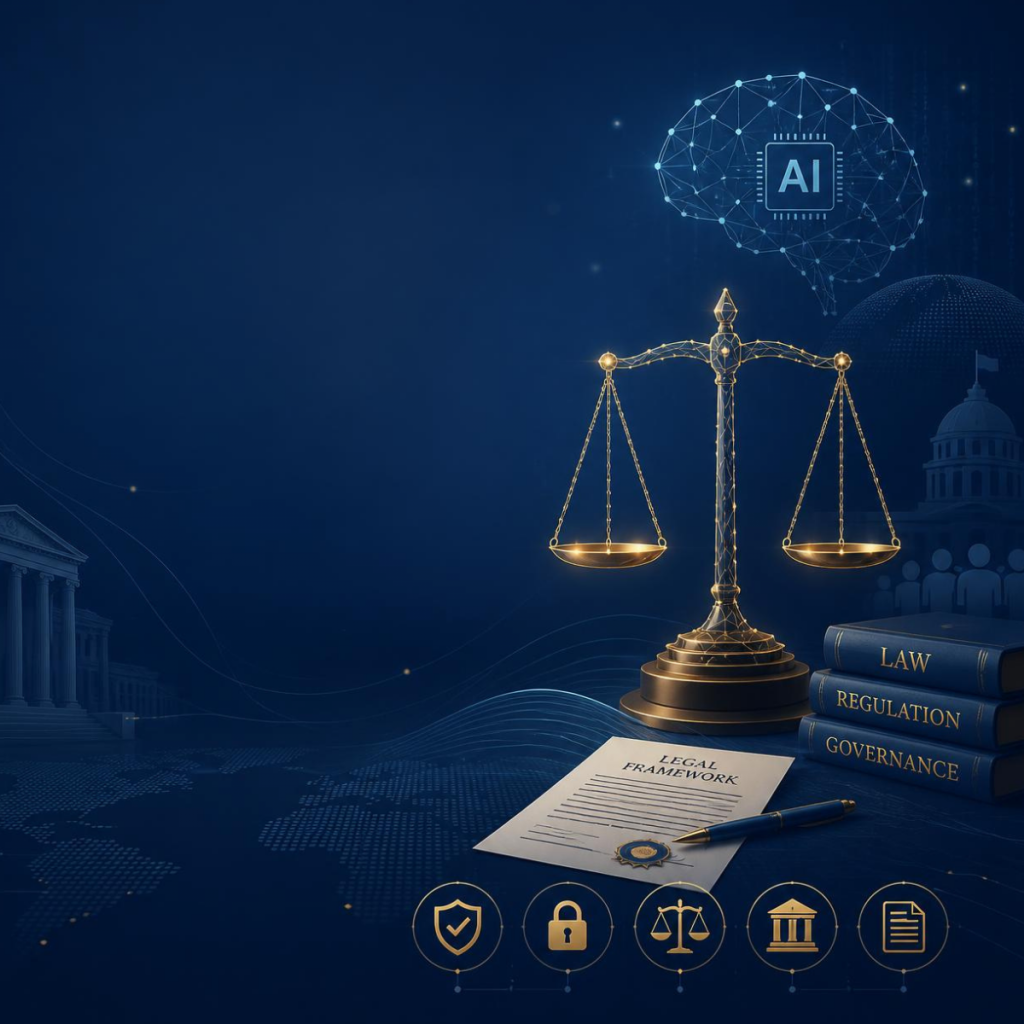
DOM: Law and Regulation

A research domain focused on the legal, regulatory, and governance challenges surrounding AI and digital technologies. Key topics include AI governance, compliance, transparency, privacy, algorithmic accountability, and emerging regulatory frameworks.

MICRO FOCUS GROUPS

Here you will find our current micro focus groups

Graph-based machine learning uses coherent data structures (graphs) to model relationships and dependencies. This approach improves the ability of AI to analyze and predict complex relationships in various domains, from social networks to recommendation systems.

ML: Graph-based Machine Learning

Image recognition and processing are not only crucial for the future of autonomous driving, but also in robotics. LiDAR sensors and deep neural network architectures help to accurately process different types of perceptions.

CV: Vision for Robotics & Autonomous Driving

The use of computer vision methods in medicine is increasing rapidly. The generation of reliable and accurate images of small tissue types holds enormous potential in the healthcare sector and promises great benefits for patients.

CV: Medical and Biological Imaging

The need for understandable AI is increasing in line with the growing number of algorithms that influence our daily lives. By improving the interpretation of predictions made by models, we can understand their behavior and optimize their performance.

ML: Transparent, Interpretable, Explainable ML

In the era of ChatGPT, the study of large language models has become of great importance and the possibilities of use are very diversified. Therefore, it is particularly important to create stable models.

SNLP: Conversational AI/Dialogue Systems

Reinforcement Learning is a main framework in the field of machine learning. The group focuses on increasing the efficiency of algorithm development by combining reinforcement learning with the power of automated machine learning.

ML: (Inverse) Reinforcement Learning

Robots are being used more and more in our everyday lives. It is important that we investigate how we can best integrate and train them in order to achieve a positive relationship between humans and robots.

ROB: Behavior Learning & Control

Teaching algorithms to process their visual environment is crucial to gaining deeper insights into our world. It is becoming increasingly important to process different types of data. This is especially true as the complexity of this data continues to grow.

CV: Approach to Computer Vision

Deep neural networks (DNN) are an important factor in the rapid development of AI. The architecture consists of several layers of neurons that process complex data and can be used in a variety of ways.

ML: Deep Neural Networks

When doctors make decisions, they need to be correct. AI can help to significantly increase accuracy and support the decision-making process by analyzing large amounts of data. However, it is important that the data is unbiased and the decision-making process is transparent so that we can best trust the decisions made by doctors and AI.

Trustworthy AI/Trust in Biometrics

Collaboration between humans and AI is crucial for success in solving complex digital problems. The fear that automation will take over jobs often dominates discussions about AI. But what if this promising possibility of human-AI collaboration simply makes certain tasks easier instead of taking them away and creates space for new activities?

Human-Machine Teams (HAI)

There is no doubt that cooperation between humans and computers is one of the most important aspects of research in the field of AI. We need to learn how to integrate new technologies into our everyday lives to enhance our capabilities and make our lives more efficient.

HAI: Human-Computer-Interaction