Domains & Micro Focus Groups

Members can network by topic in Domains or engage in much more specific discussions within the numerous Micro Focus Groups.

DOMAINS

DOM: Physical Sciences

The Domain Group integrates interdisciplinary research across physics, chemistry, and related physical sciences to investigate how Artificial Intelligence contributes to discovery and innovation in the field. By accelerating progress in modeling, simulation, materials research, and experimental analysis, the group helps unlock new insights and push the boundaries of scientific understanding.

DOM: Manufactoring / Industry

The Domain Group connects diverse research efforts across manufacturing processes, industrial systems, production technologies, and automation. Its focus lies in examining how Artificial Intelligence is reshaping industrial landscapes—enabling intelligent factories, optimizing predictive maintenance, enhancing quality assurance, and fostering seamless collaboration between humans and machines to advance the next generation of smart production.

DOM: Mobility

The Domain Group brings together interdisciplinary research on drones, cars, trains, and planes, covering the entire spectrum of mobility and transportation systems. It explores how Artificial Intelligence is transforming the mobility sector—through automation, enhanced safety, sustainable solutions, and intelligent infrastructure—while fostering dialogue on the future of connected and adaptive transportation.

DOM: Life Sciences

The Domain Group brings together interdisciplinary research from medicine, biology, and related life sciences to unlock the potential of artificial intelligence for understanding living systems. The focus lies on applications in diagnostics, drug development, personalized medicine, and fundamental biological research.

DOM: Humanities, Behavioral and Social Sciences

The Domain Group brings together interdisciplinary research from economics, sociology, philosophy, law, and political science to investigate the complex interactions between artificial intelligence and society. At the center is the interface between technology and social structures, where questions of human behavior, ethical responsibility, and political governance are addressed and constructive dialogue is fostered.

DOM: Energy

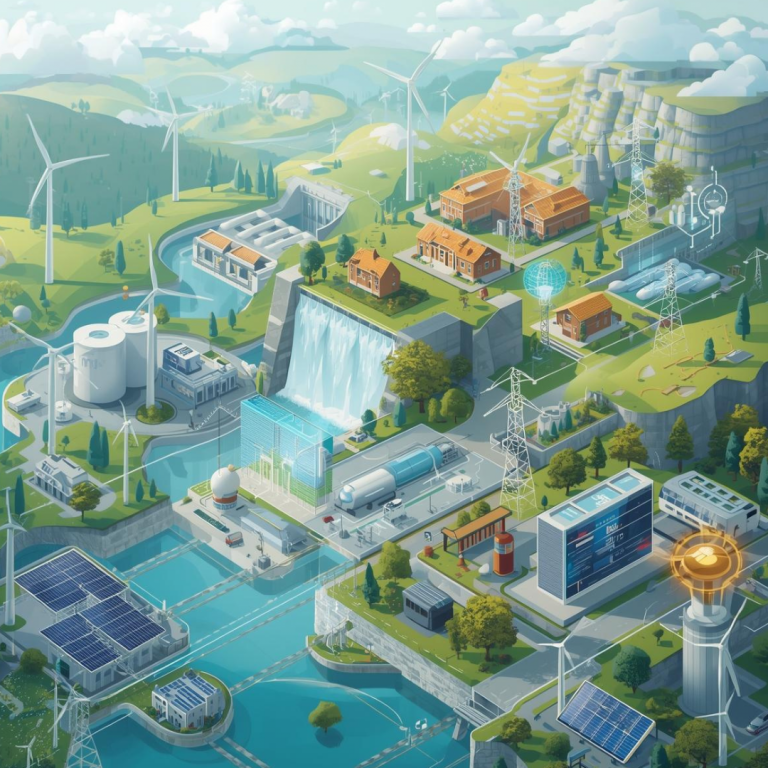
The domain group researches renewable energy, power grids, and AI, exploring how AI drives efficiency, sustainability, and smart energy systems.

DOM: Education

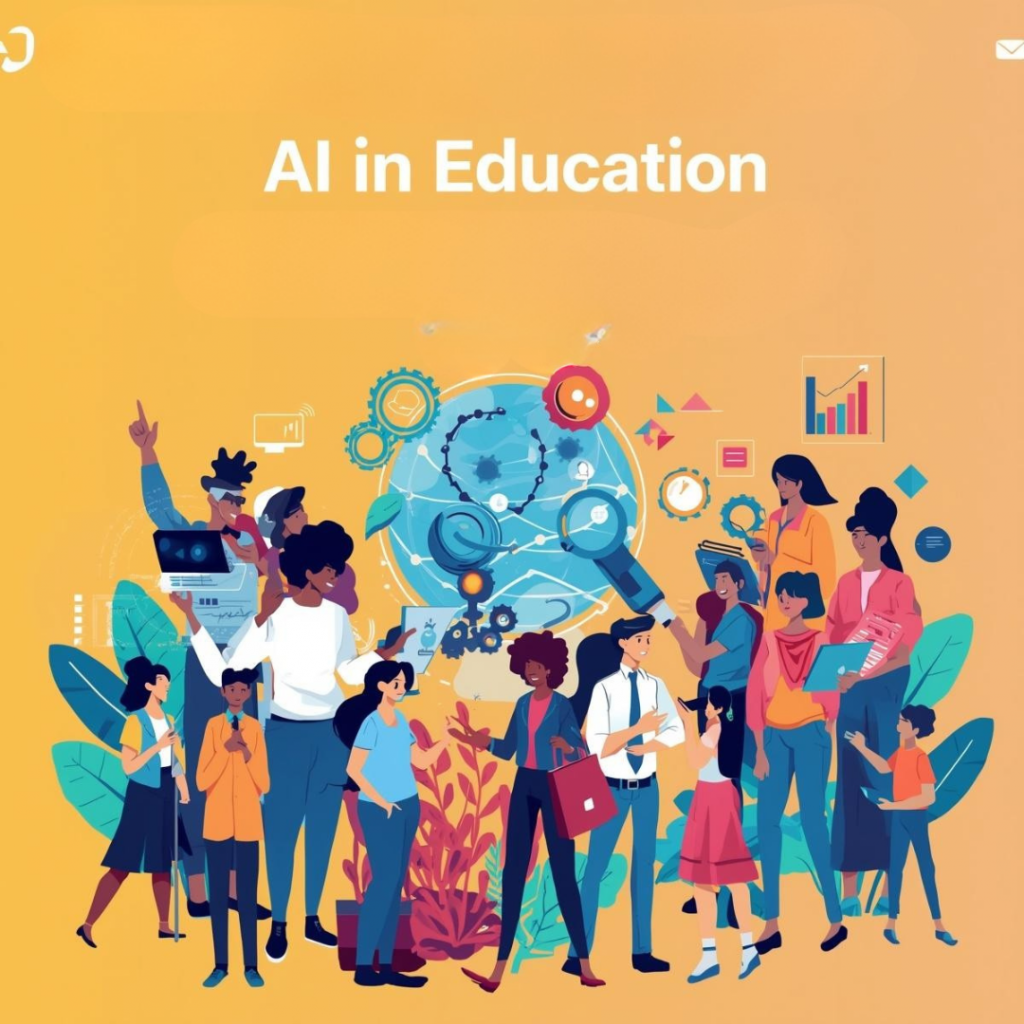
The Domain group unites research on learning methods, teaching technologies, and AI in education. It investigates how AI is driving personalized learning, digital tools, and innovative teaching methods.

DOM: Agriculture

This domain explores AI methods for agriculture, focusing on intelligent farming, data-driven crop management, and sustainable agricultural technologies.

DOM: Law and Regulation

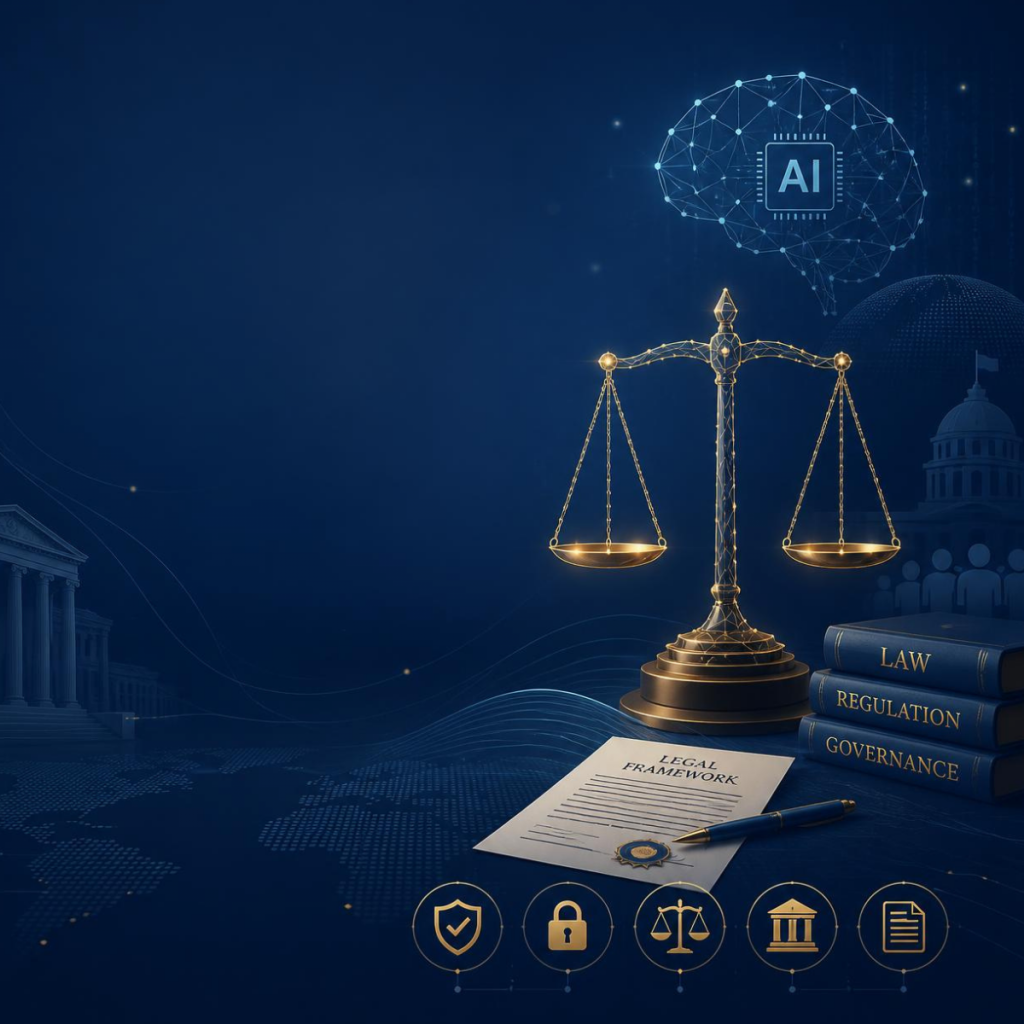
A research domain focused on the legal, regulatory, and governance challenges surrounding AI and digital technologies. Key topics include AI governance, compliance, transparency, privacy, algorithmic accountability, and emerging regulatory frameworks.

MICRO FOCUS GROUPS

Here you will find our current micro focus groups

This category focuses on algorithms that enable AI systems to anticipate, interpret, and adapt to human behavior in dynamic settings. It includes methods for predicting intentions, goals, and actions, and for planning with human preferences, beliefs, and uncertainty in mind. Applications span human-robot interaction, collaborative systems, autonomous vehicles, and assistive technologies. Examples include pedestrian trajectory prediction, adaptive robot motion planning, and driver intent modeling in mixed-autonomy traffic.

HAI: Human-Aware Planning and Behavior Prediction

This category covers computational models and algorithms for interpreting brain activity and cognitive states using brain-sensing technologies such as EEG, fMRI, MEG, and NIRS. Applications include brain-computer interfaces, neuroadaptive systems, and cognitive state modeling. Contributions span signal processing, machine learning, human-AI interaction, and hybrid neuro-symbolic methods. Examples include mental workload classification from EEG, decision prediction from fMRI, and real-time BCI systems using graph neural networks.

HAI: Brain-Sensing and Analysis

This category covers supervised learning methods for predicting classes or continuous values from labeled data. Techniques include neural networks, decision trees, support vector machines, and ensemble models, with a focus on building models that generalize well. Applications range from cancer subtype prediction and drug response estimation to cell type classification in single-cell RNA-seq data.

ML: Classification & Regression

This category focuses on unsupervised learning methods for uncovering structure in unlabeled datasets by grouping similar data points. Techniques such as k-means, hierarchical clustering, density-based models, and deep clustering frameworks are used to explore data, generate hypotheses, and enable tasks like patient stratification. Example applications include identifying novel disease subtypes from multi-omics data with spectral clustering, discovering gene modules with shared expression across tissues, and grouping patients based on metabolomics profiles using deep embedded clustering.

ML: Clustering

This group explores how knowledge can be formally represented and logically processed in AI systems. It focuses on symbolic approaches that enable machines to reason over structured data and draw meaningful conclusions. Core research areas include formal languages such as Description Logics, OWL, and First-Order Logic; automated reasoning and inference; ontology design for domains like healthcare and manufacturing; hybrid neuro-symbolic methods; and applications in explainable AI and decision support.

KRR: Knowledge Representation and Reasoning

The NLP: Ethics — Bias, Fairness, Transparency & Privacy group examines the ethical and societal implications of Natural Language Processing technologies, focusing on how algorithmic decisions affect individuals and communities. It investigates methods to detect and reduce bias, enhance transparency, and protect user privacy in NLP systems. Key areas include fairness-aware training for large language models, interpretable content moderation, and privacy-preserving techniques in conversational AI.

SNLP: Ethics — Bias, Fairness, Transparency & Privacy

Affective Computing explores the interdisciplinary field of systems capable of recognizing, interpreting, and responding to human emotions. This research group unites experts working on computational models of emotion in AI, with applications spanning psychology, education, and human-computer interaction. Areas of focus include multimodal emotion recognition from text, speech, and facial expressions; emotion-adaptive learning environments; and emotionally aware agents for digital mental health support.

CMS: Affective Computing

Bio-inspired Learning explores computational models and algorithms inspired by biological systems, such as neural networks, evolution, and swarm intelligence. This approach aims to create efficient, adaptable, and intelligent systems by mimicking the problem-solving strategies of nature, advancing fields like AI, robotics, and optimization.

ML: Bio-inspired Learning

This groups tackles challenges in safety, infrastructure, and sustainability. From emergency detection in households to clean water prediction, electric grid optimization, and real-time health monitoring, they combine innovative computational methods with practical applications. Together, they aim to deliver impactful solutions for pressing societal and environmental needs.

ML: Probabilistic Methods

This group focuses on designing AI systems that learn to generate and reconstruct data, uncovering complex patterns and structures. These models are vital for advancements in data compression, anomaly detection, and creative AI applications, driving innovation in fields like image synthesis, language generation, and scientific simulations.

ML: Deep Generative Models & Autoencoders

This group explores the dynamics between humans and robots to design systems that are intuitive, safe, and effective. This research is crucial for advancing robotics in areas like healthcare, industry, and daily life, ensuring robots enhance human capabilities while fostering trust and collaboration.

ROB: Human-Robot Interaction

This group explores how to mitigate biases, ensure fairness, enhance transparency, and safeguard privacy in AI-driven language technologies. This work is vital to building ethical, trustworthy, and inclusive AI systems that positively impact society.

SNLP: Bias, Fairness, Transparency & Privacy

Climate change and its consequenes are one of the most pressing topics of todays society so it is only natural that AI algorithms should play a vital role in the efficient use of our energy.

Energy-efficient AI

Automated Machine Learning can save valuable time and energy when using ML algorithms. By continously adjusting hyperparameters, performance can significantly increase.

ML: Auto ML and Hyperparameter Tuning

Adressing fairness and biases in algorithms is extremely relevant when incorporating technology into our society.

PEAI: Bias, Fairness & Equity

Increasing use of LLMs calls for more fine grained analysis of style and sentiment to ensure that models give an accurate representation of what is intended.

SNLP: Sentiment Analysis and Stylistic Analysis

Developing LLMs for mutliple languages, including low resource languages, is essential to ensure gobal access to new technologies.

SNLP: Machine Translation & Multilinguality/Multimodality

Enabling teamwork between humans and AI surely is the key to success for solving complex problems in the digital age. The fear of automation overtaking jobs is dominating the conversation about AI but what if the promising prospect of human-AI collaboration simply facilitates certain tasks and does not take them away but leave room for others?

HAI: Human-Machine Teams

Without a doubt, the nature of collaboration between humans and computers is one of the most pressing research needs in the field of AI. We need to learn how to integrate new technology into our daily lives to enhance our given competences and make our lives more efficient.

HAI: Human-Computer Interaction

As the world around us is complex, it is important to incorporate multiple modalities into systems created to support humans whether it is in medicine as robotic surgical assistants or other work environments.

ML: Multimodal Learning

Societal impact of AI is one of the most talked about topics in media at the moment due to its grave importance. Focusing on human-centered needs whether in applications in healthcare or governance of sociotechnological systems is essential.

PEAI: Societal Impact of AI

Time series analysis occurs in many different areas, from medical data (e.g. EEG) to mobility and transportation. This micro focus group concentrates on CNN models to analyze their data.

ML: Time-Series / Data Streams

The organization of knowledge is fundamental to the use of AI algorithms, as it often facilitates explainability and transparency.

DMKM: Linked Open Data, Knowledge Graphs & KB Completion

Software systems must be secure and robust against external attacks. This group focuses on cyber and IT security.

Cyber/ IT-Security